Kingdom of the Atlas (my Morocco adventures)

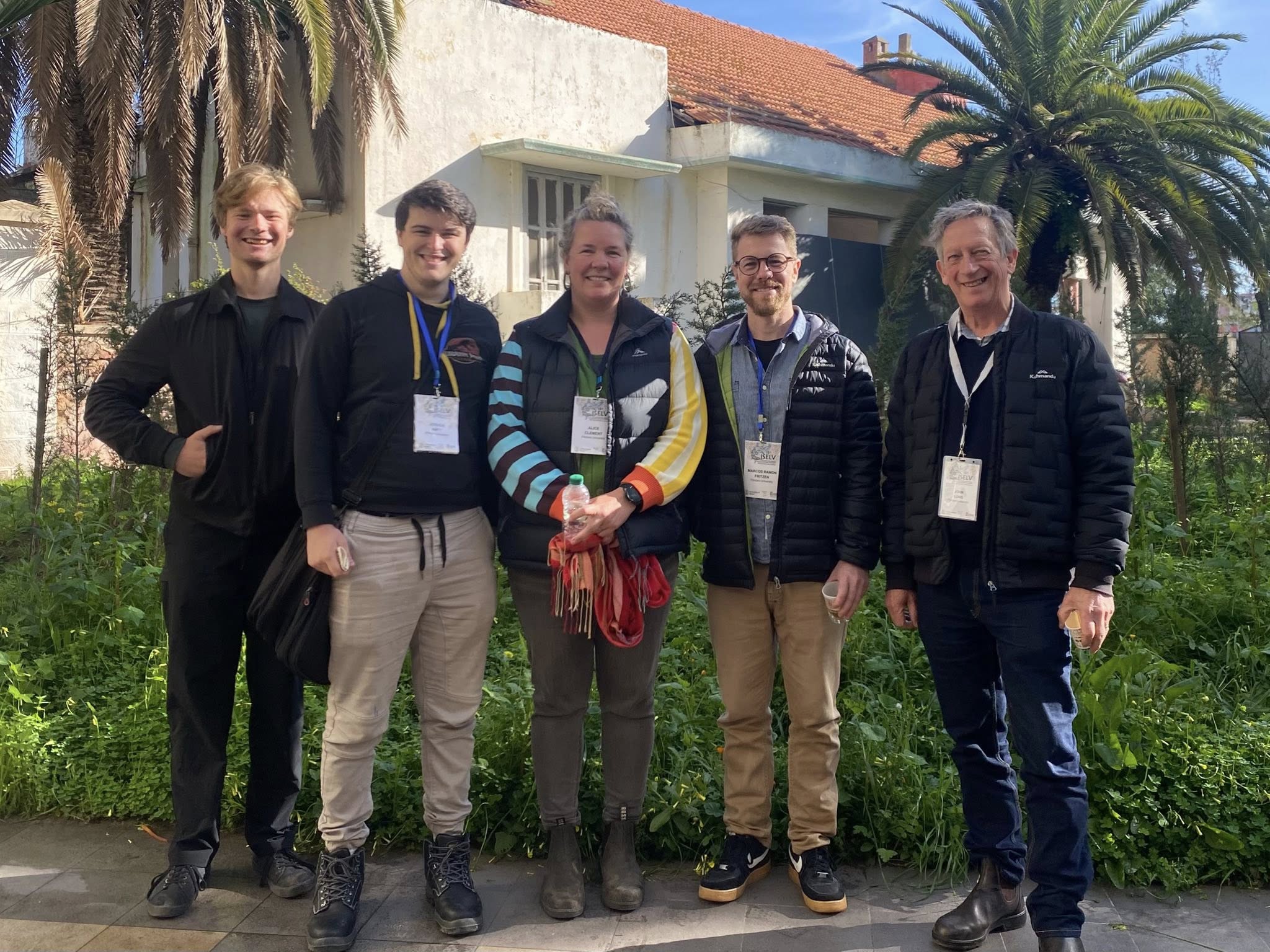
Earlier this year I visited northern Africa for the first time. I was in Morocco for two weeks to attend the 18th ISELV meeting (for the uninitiated, that stands for the International Symposium on Early and Lower Vertebrates, this is my absolute favourite conference!). ISELV was held at the Hassan 1st University in Berrechid, (not too far from Casablanca), co-organised by that University but also the University of Zurich. This was my 5th ISELV meeting, having previously attended those in Australia (Melbourne), Poland, China, and Canada.

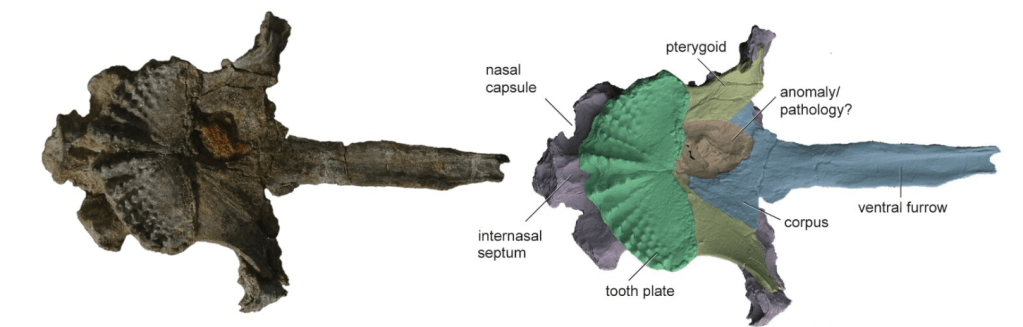
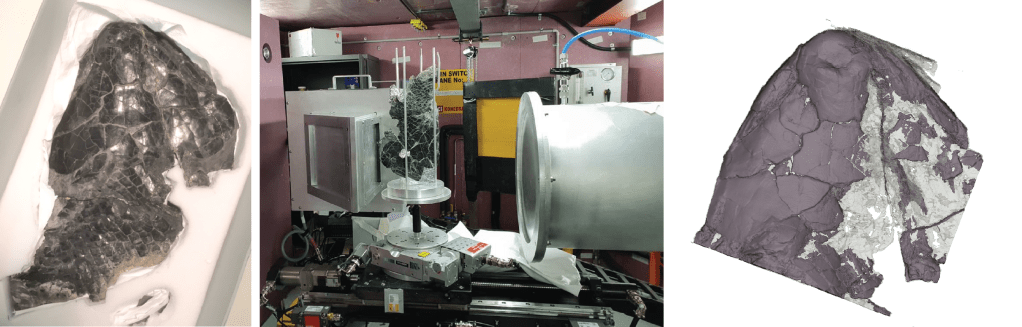
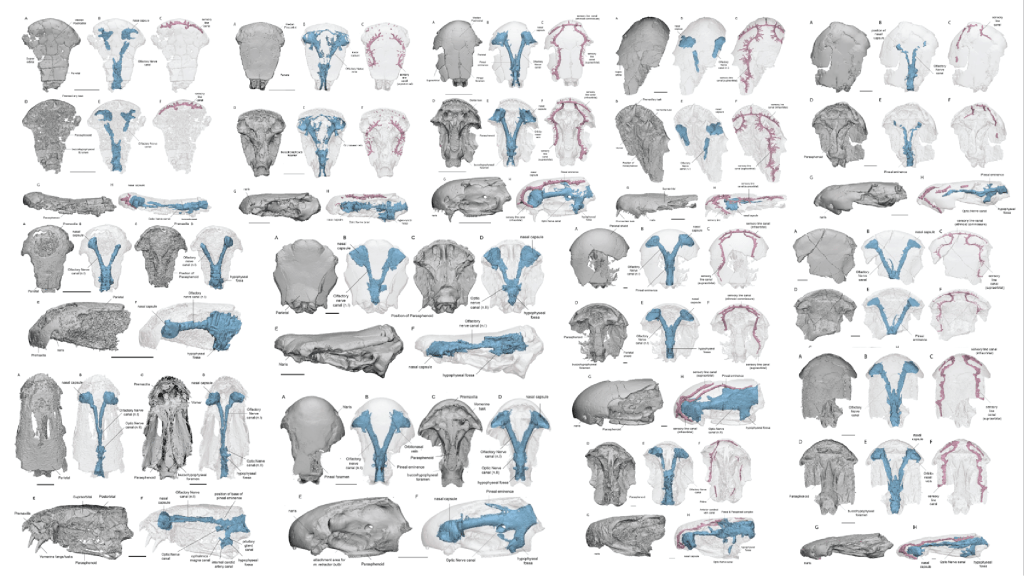
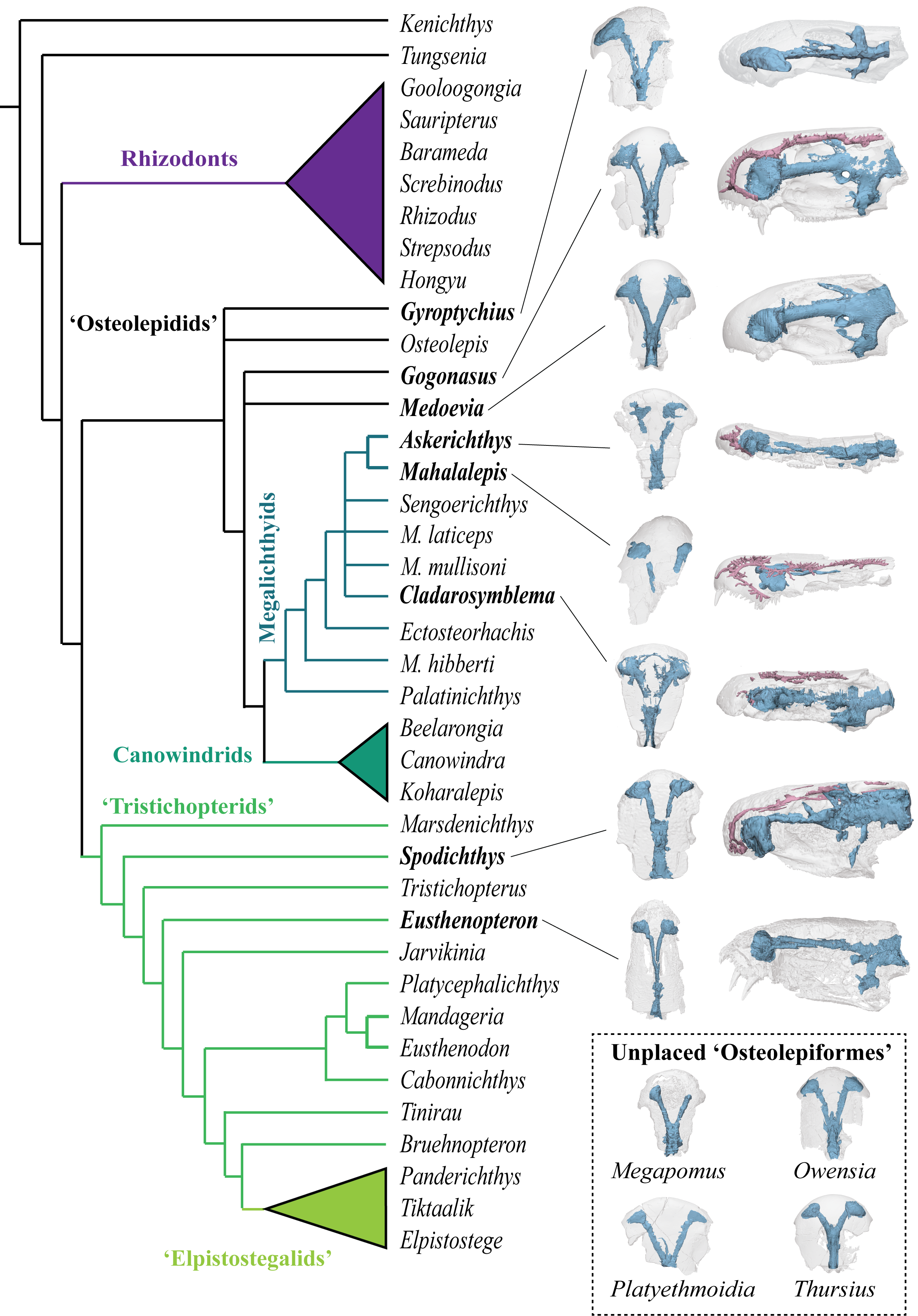
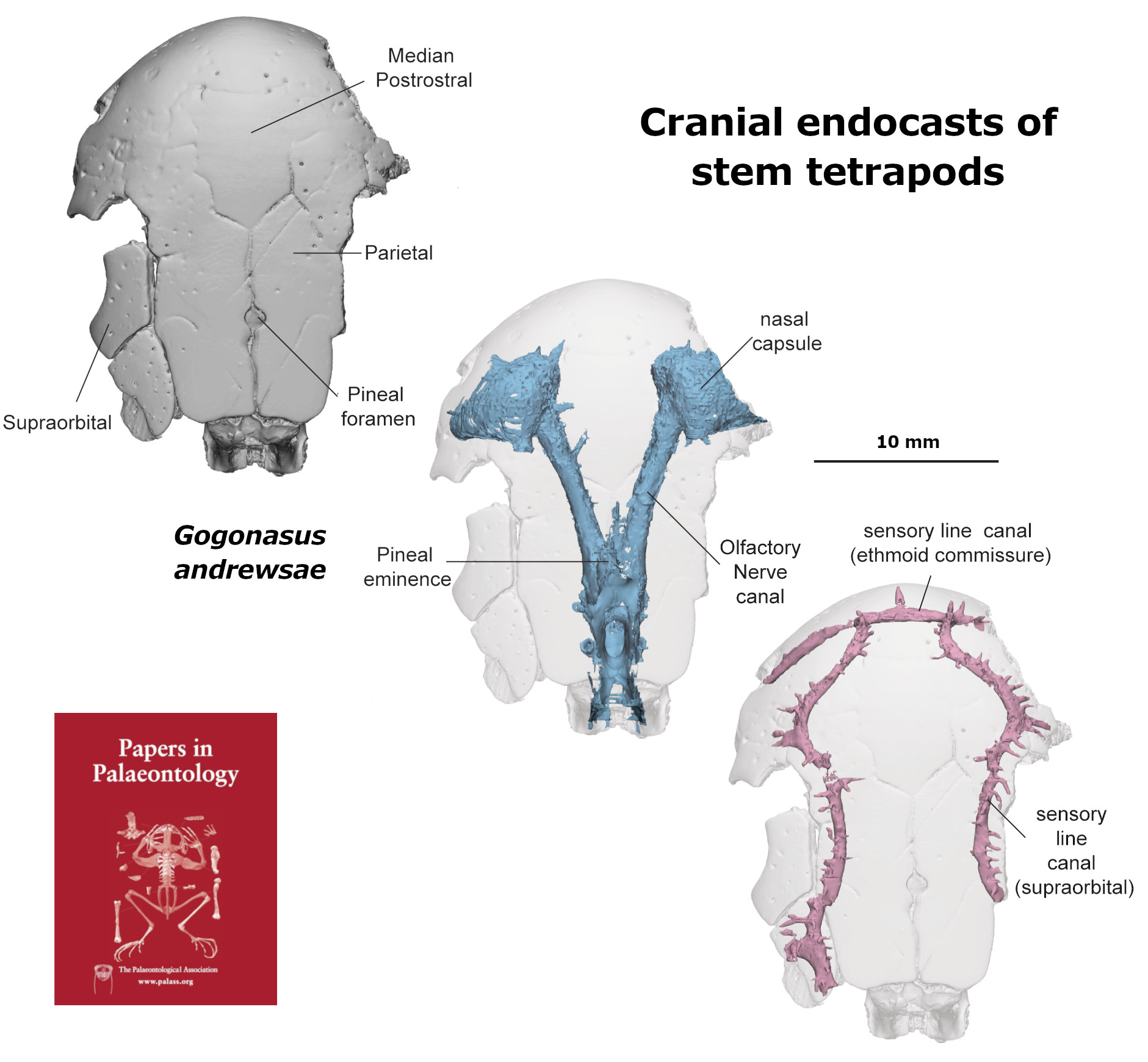
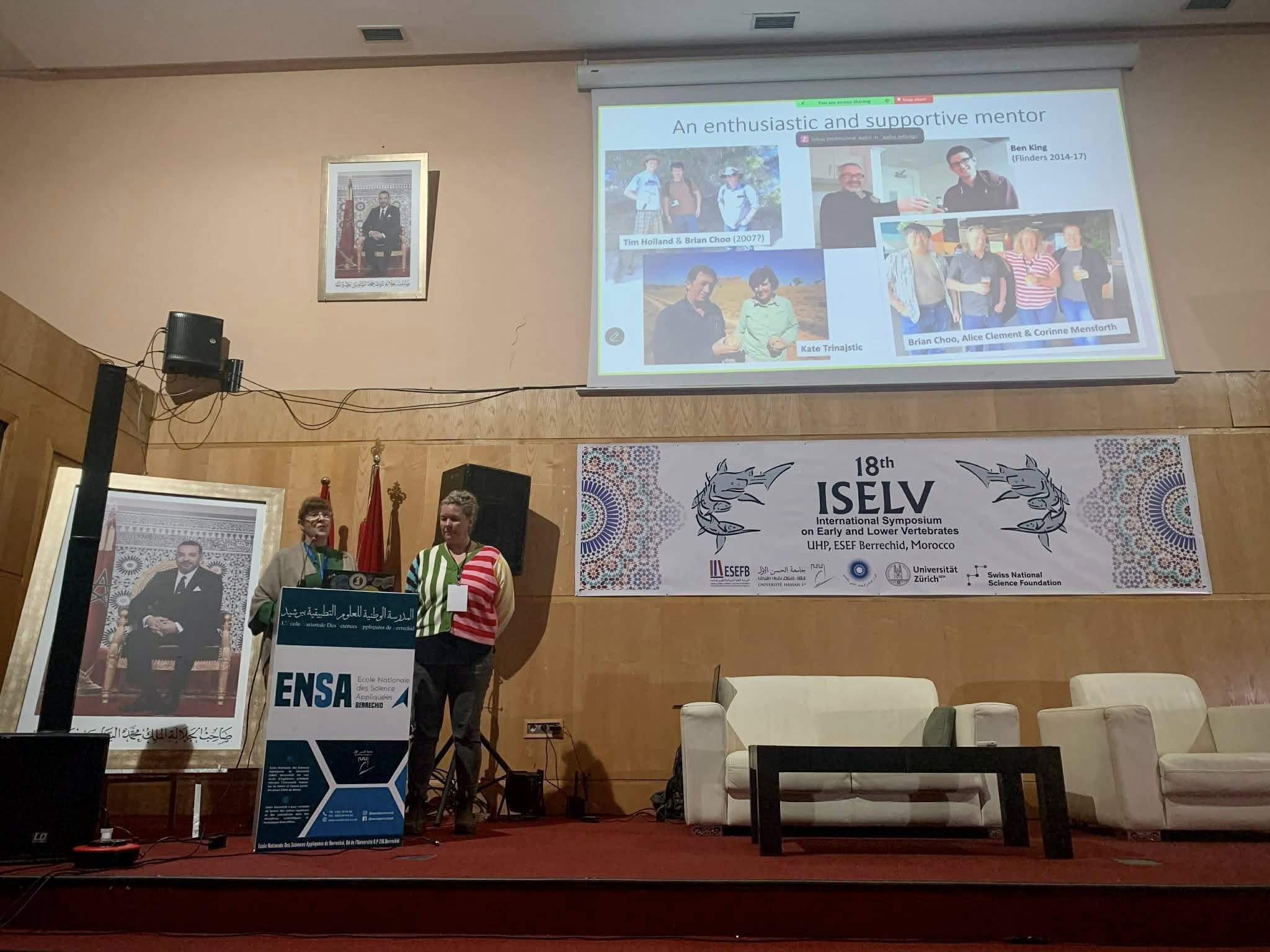
During the meeting I gave a talk about lungfish brains “But wait, there’s more? New lungfish (Sarcopterygii, Dipnoi) cranial endocasts from the Late Devonian (Frasnian) Gogo Formation, Australia, with ontogenetic insights from Neoceratodus”, but together with Kate Trinajstic, I also gave a brief presentation honouring the work and legacy of our friend and mentor Prof. John Long on the occasion of his retirement. John has made a truly impressive scientific impact on the field of vertebrate palaeontology, but other themes such as his enthusiasm for fieldwork, generosity (and beer drinking!) were common subjects that our community also thanked him for!

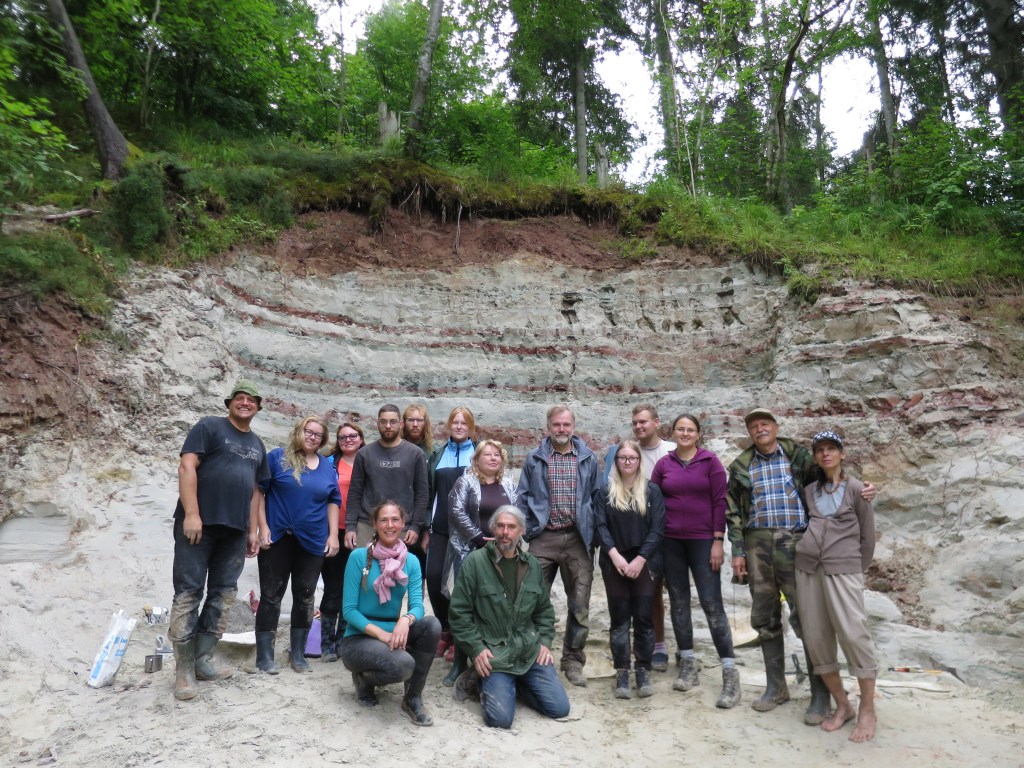
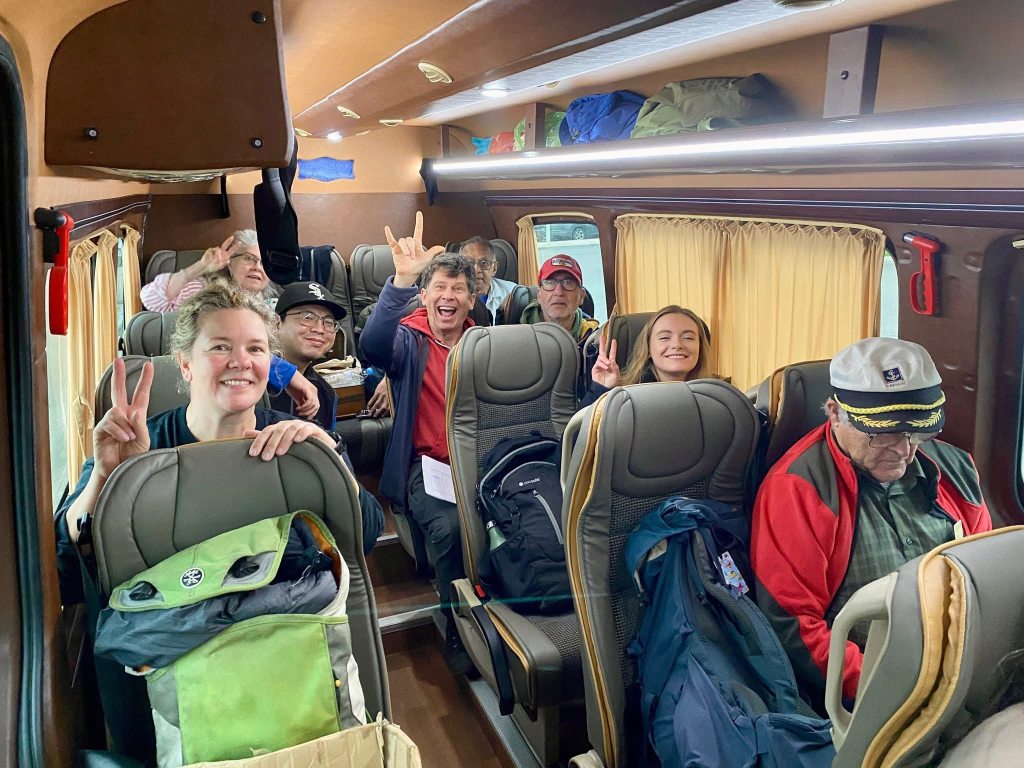
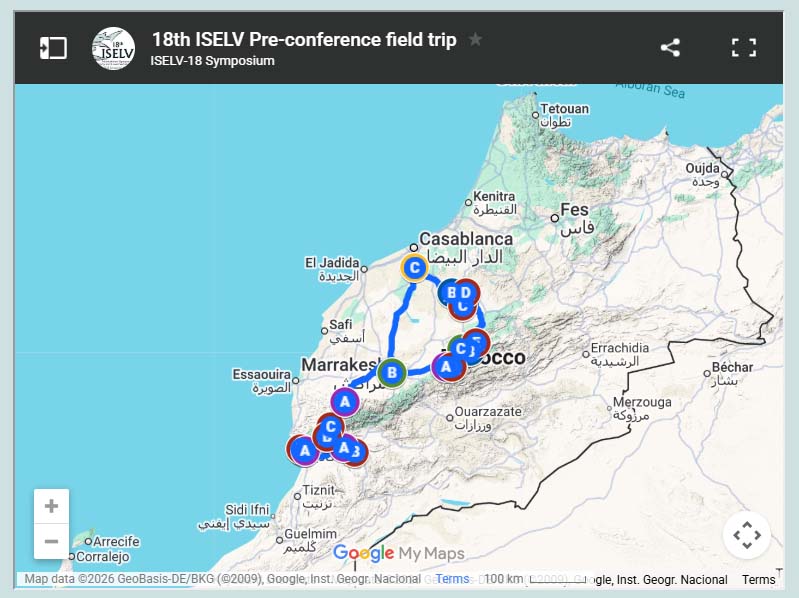
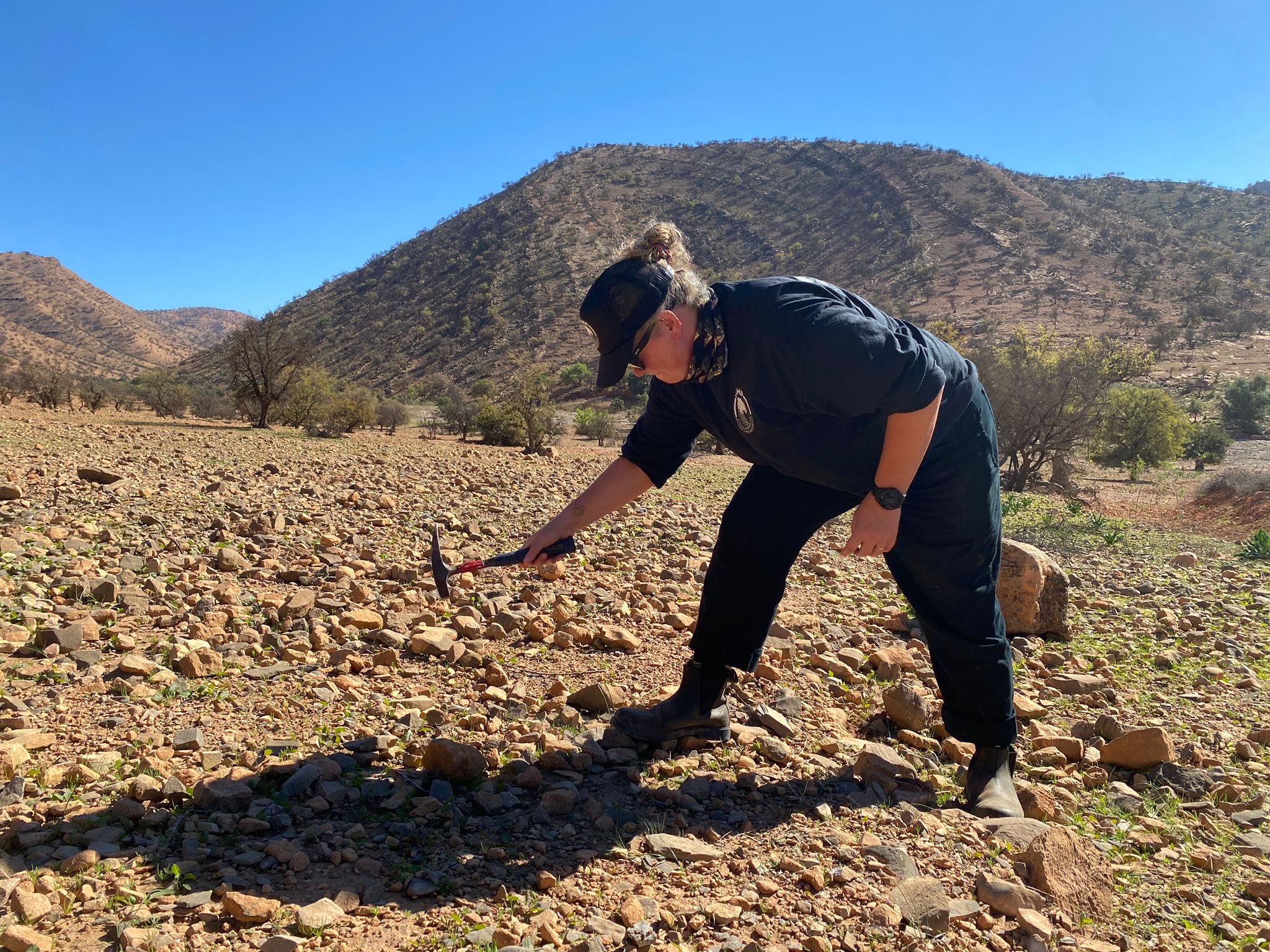
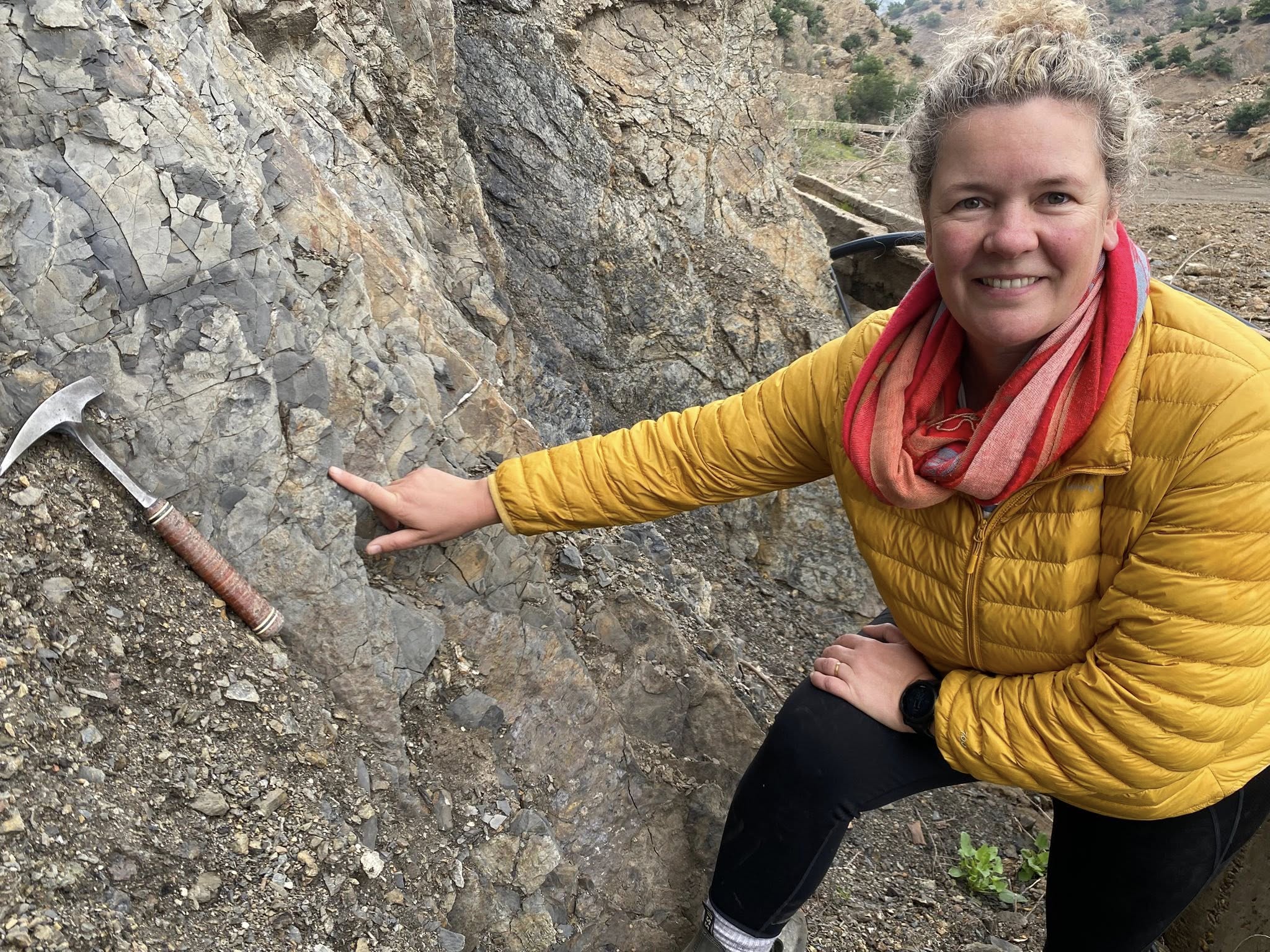
Before the conference itself, I was lucky enough to get along on one of the two field trips connected to the conference. This trip focussed mostly on the Mesozoic of the Western Atlas, but we visited sites that ranged in age from the Carboniferous to Neogene (this is a remarkably long length of time!) Beyond the variety of outcrop that we could visit, the changing landscapes from the coast up to the high Atlas (and back) were absolutely breath-taking!

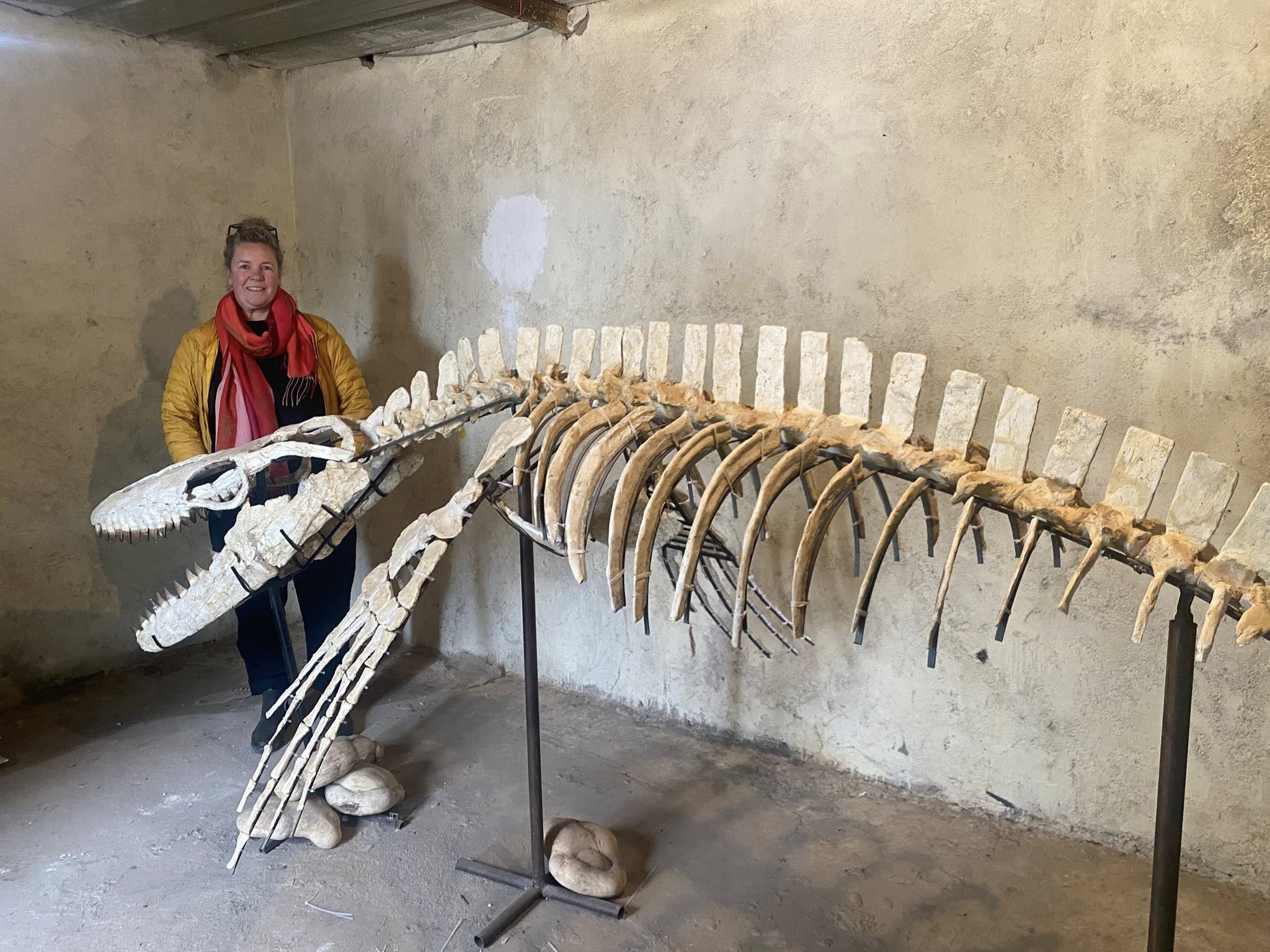
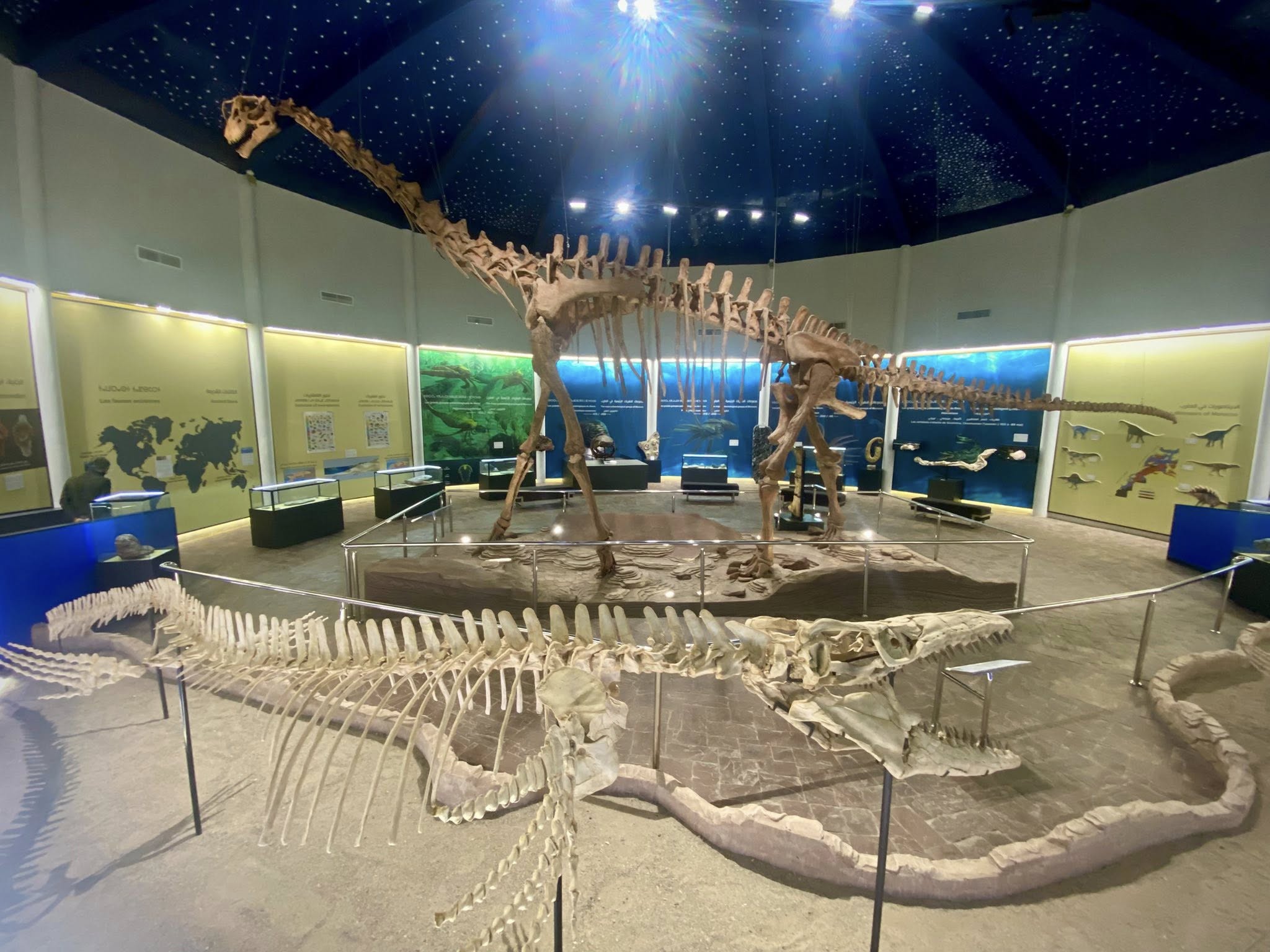
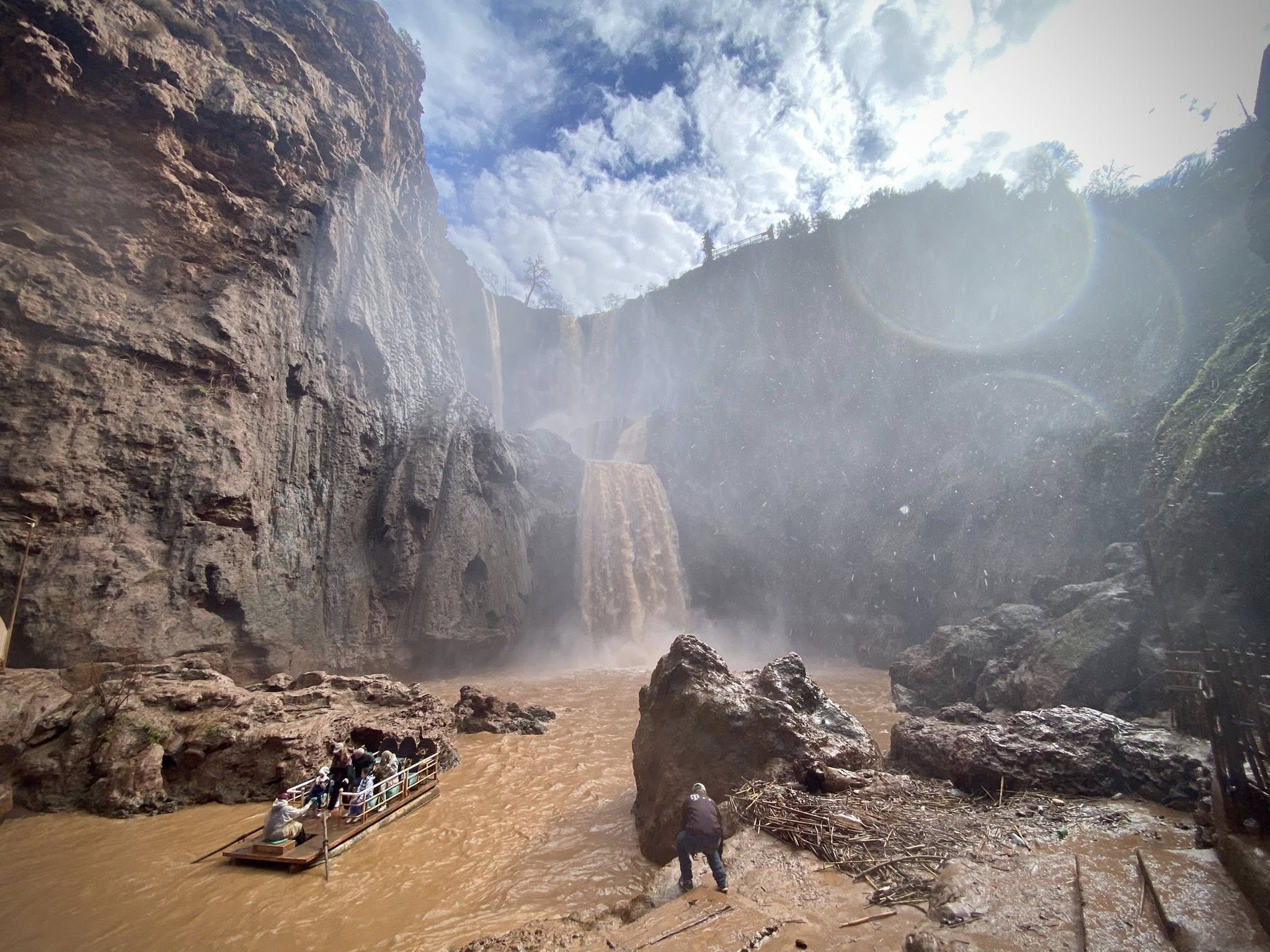
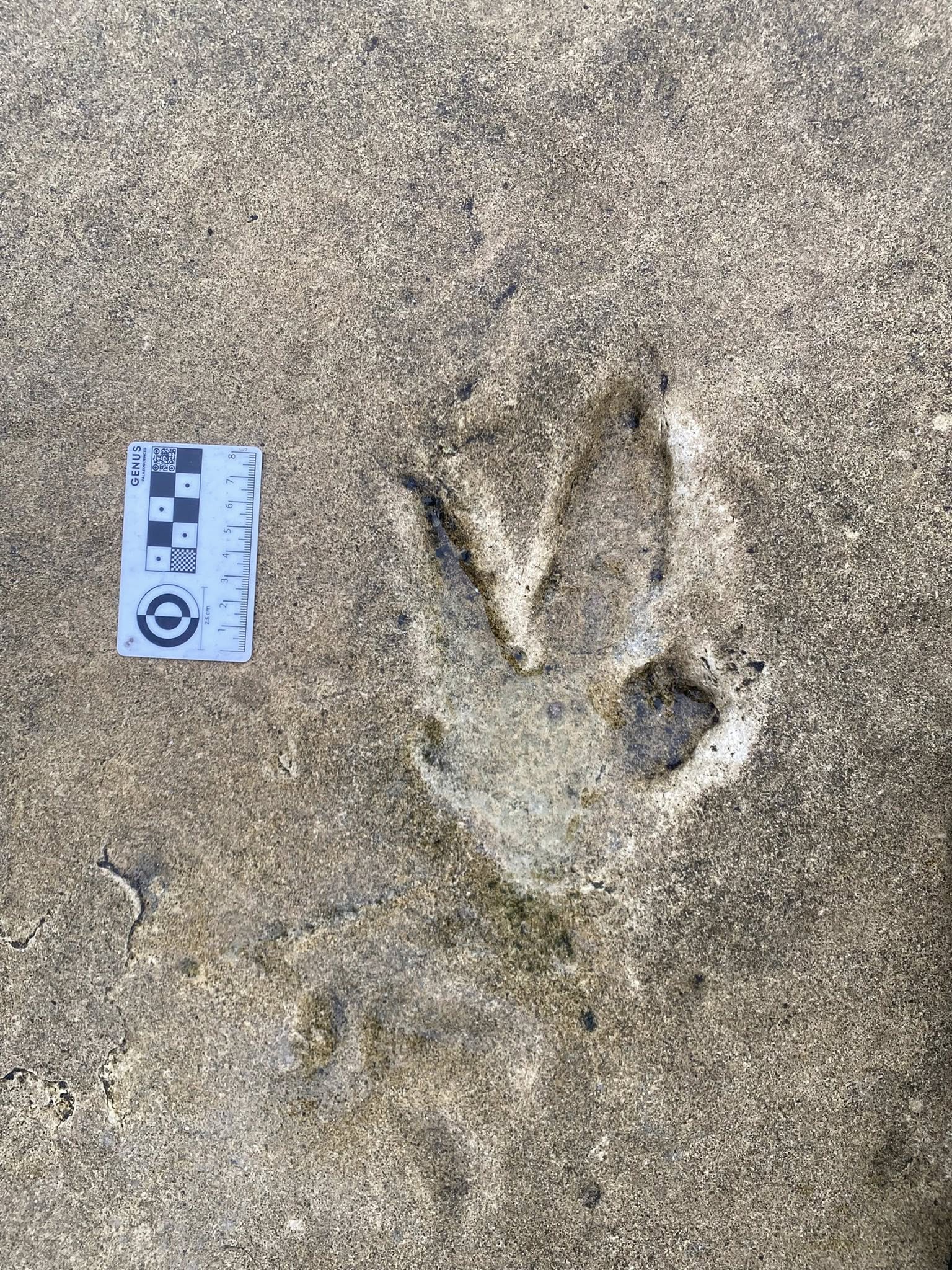
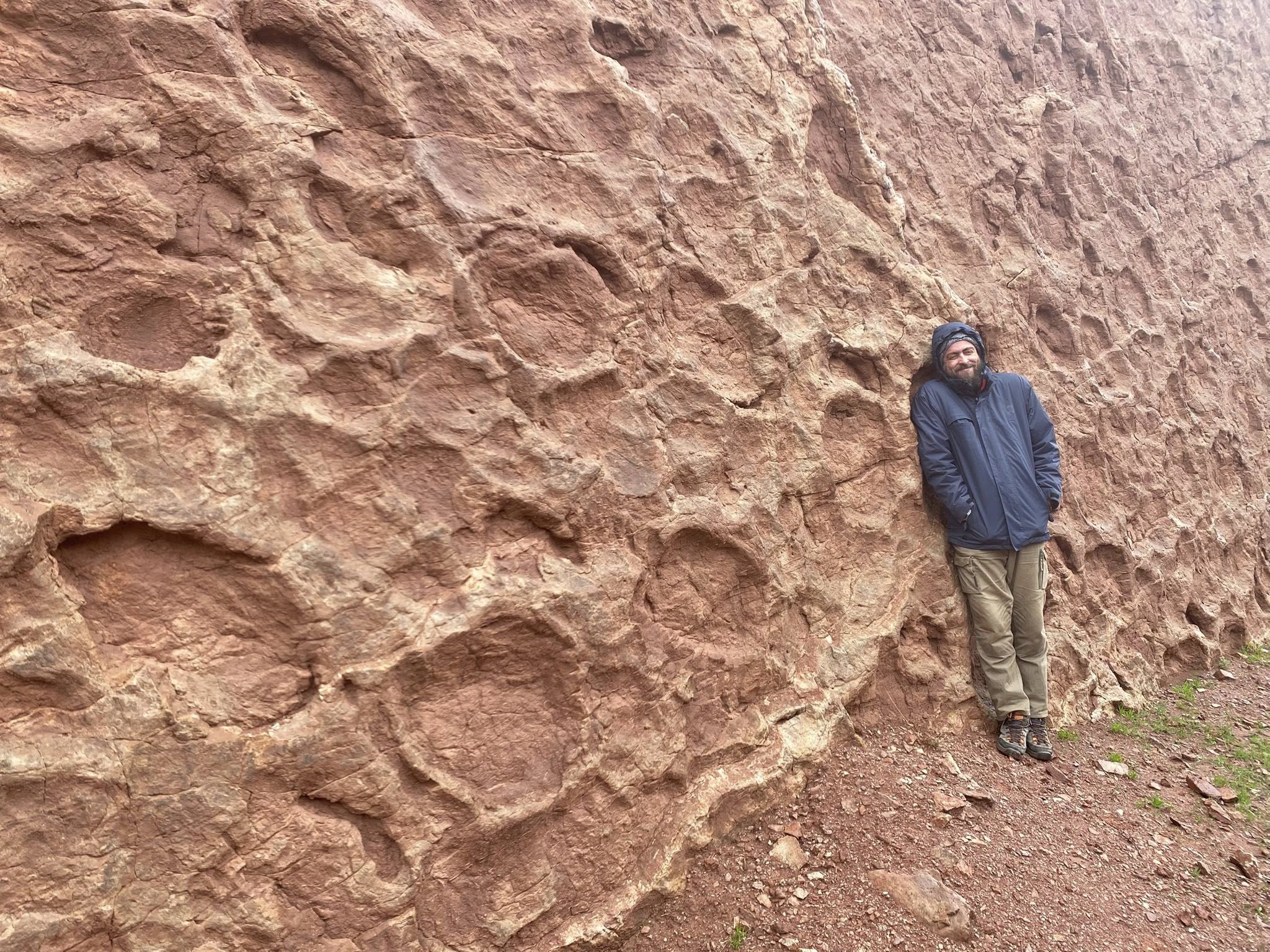
We started in Berrechid, and our first stop were the phosphate successions in the Ouled Abdoun Basin where we could visit private collections with some truly remarkable marine reptiles and sharks. Next we spent some time at the M’goun UNESCO Geopark Museum (to see Atlasaurus) and the stunning Ouzoud waterfalls nearby. Around Demnate and Anza we saw a lot of dinosaur trackways (many sauropod and theropod tracks), as well as pterosaur footprints preserved on the beach, as well as a small but lovely local museum in Agadir.

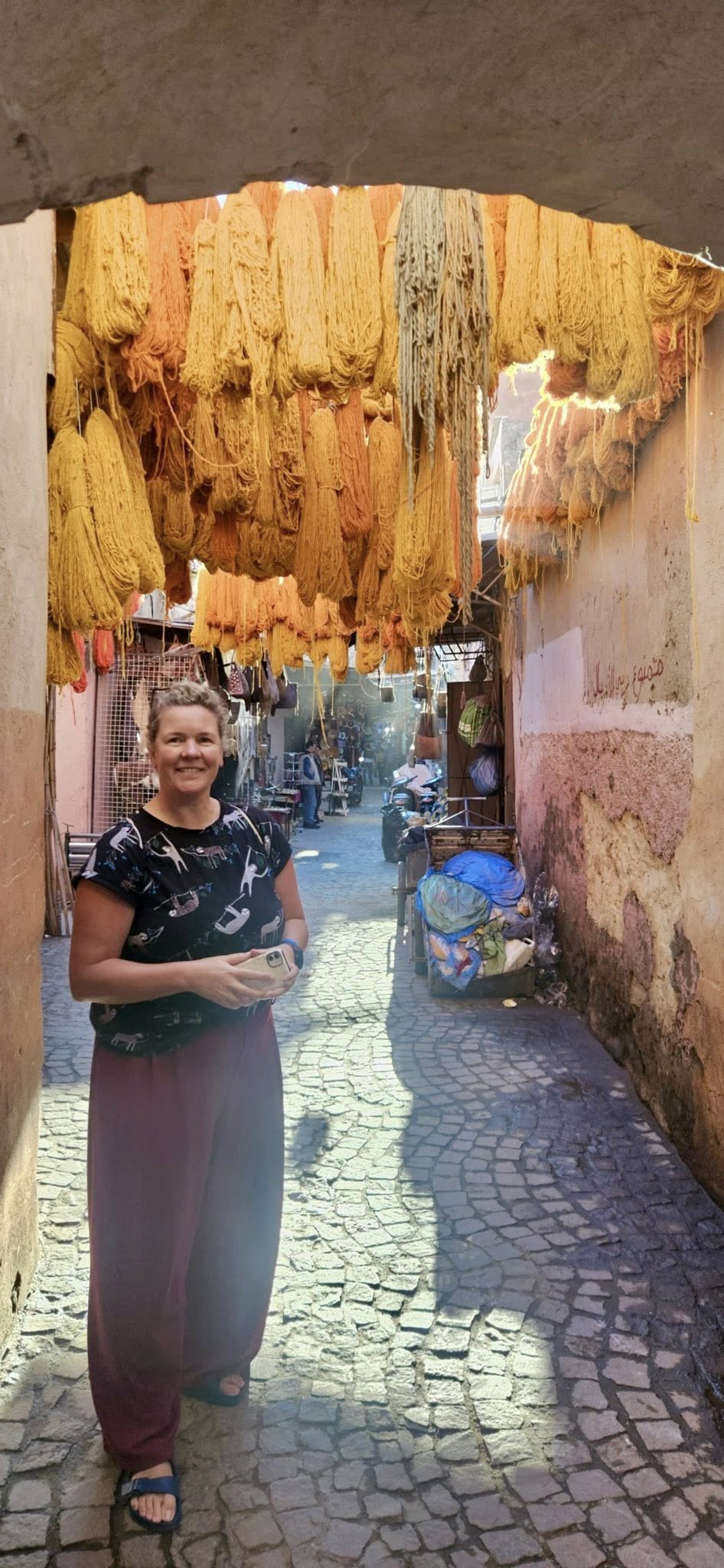
Next up were some Cambrian archaeocyathids (extinct reef-building sponges) and trilobites near Taroudant (although the trilobotes were hard to find!), and Carboniferous deposits in the Souss Basin, near Lamnizla, where I found some lovely plant material. Next we examined some Permian trace fossils, Triassic metoposaurids (temnospondyl amphibians), and dinosaur traces in the Argana Basin. To finish off we headed into Marrakesh the historic “Red City” which has a bustling UNESCO-listed Medina (old city) and vibrant souk areas where you could bargin for treasures to your heart’s content.

A HUGE thanks to Christian, Abdel, Merle, Amin, Jorge and everyone else involved in putting on this fabulous conference and field trip! We were so very well looked after. I am looking forward to the next meeting in 2027 in Sweden, Uppsala.

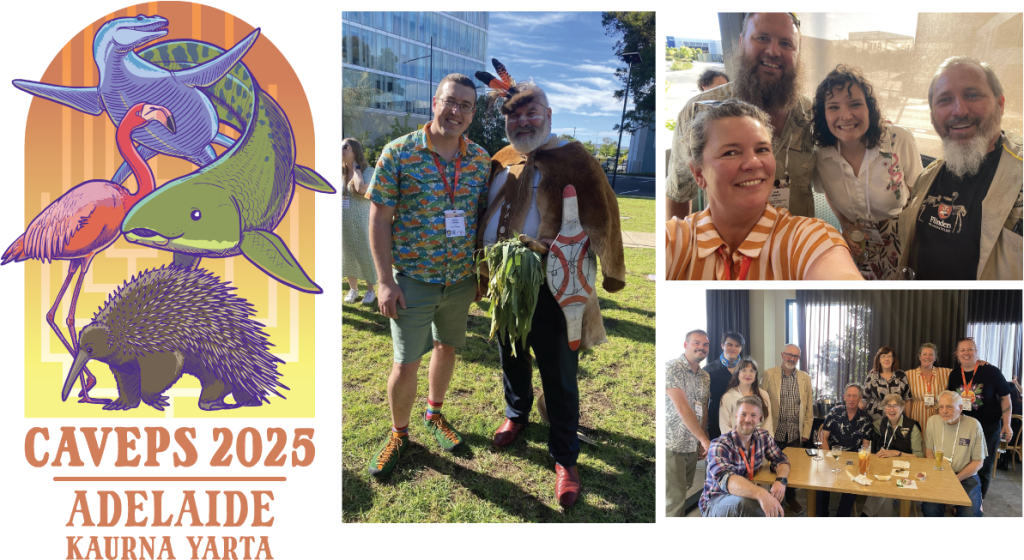
CAVEPS 2025

Well, what a week it was! During the last week of November (yes, sorry this post is so late!), we hosted some 200 palaeontologists on Kaurna Yarta / Adelaide for the 19th Conference of Australasian Vertebrate Evolution, Palaeontology and Systematics (CAVEPS) 2025.

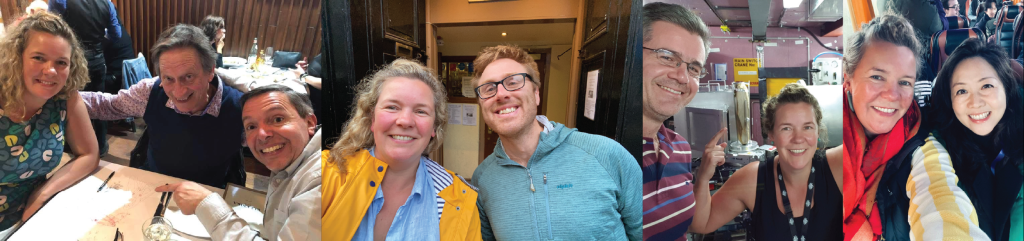
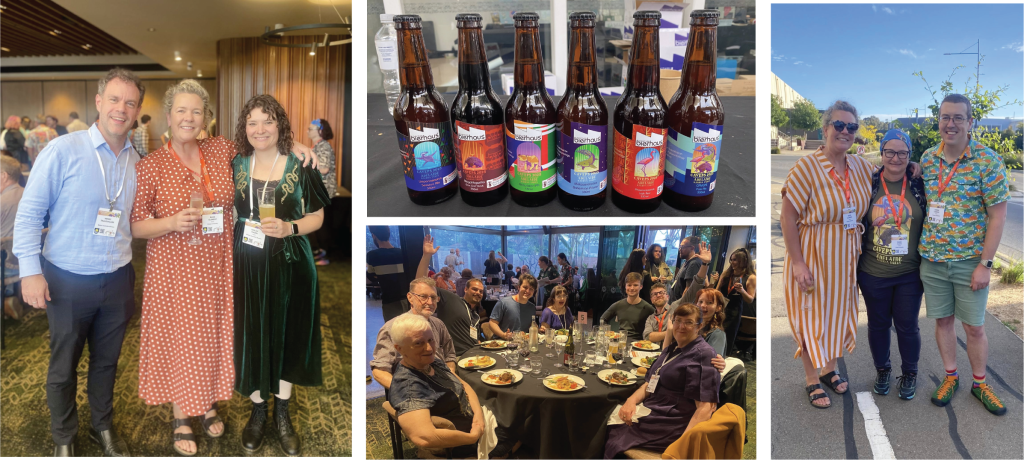
Aaron Camens and Uncle Micky at the welcome to country ceremony (centre), enjoying the welcome function at the Mantra with friends and colleagues (right).

CAVEPS is a multidisciplinary forum for vertebrate palaeontologists, earth scientists, evolutionary biologists, and fossil enthusiasts from Australasia and beyond. The conference features the latest research in vertebrate palaeontology, including morphology, phylogeny, systematics, evolution, taphonomy, development, zooarchaeology and palaeoecology. The event is generally held every two years or so, and hosted by different institutions around Australia and New Zealand.

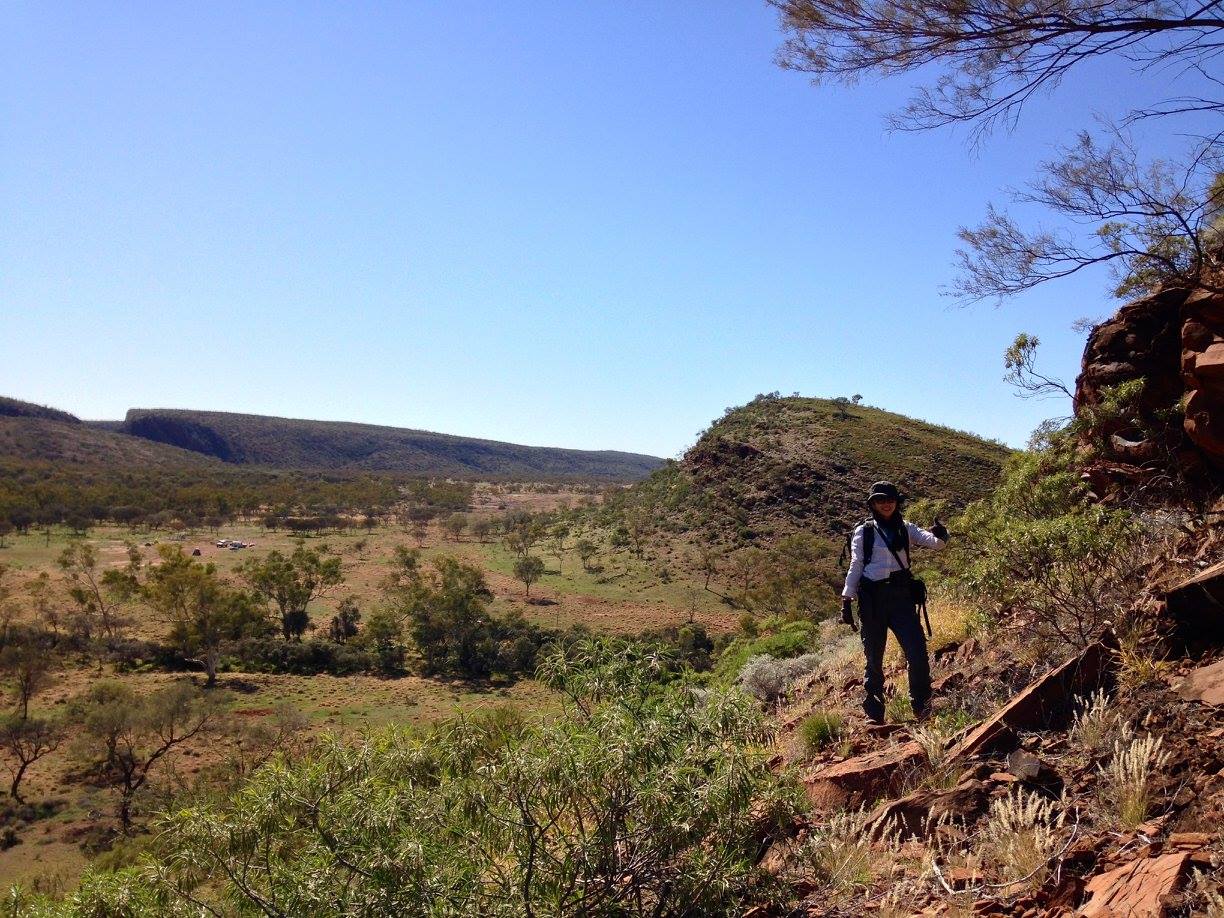
We provided pre- and post- conference field trips, where participants unearthed some important fossil finds ! By holding this conference here in South Australia, and holding field trips at the Naracoorte Caves and Ikara‑Flinders Ranges, we hoped to highlight the unique geological and fossil-heritage of this particular and spectacular part of Australia.

Before the main conference program, we had “Workshop Monday”, where attendees could participate in a range of workshops covering everything from submitting to high profile journals, bench-marking and bibliometrics, media training, musculoskeletal modelling, 3D digital reconstruction and animation, moulding and casting, and aworkshop covering best practises for collaborating with indigenous peoples.  

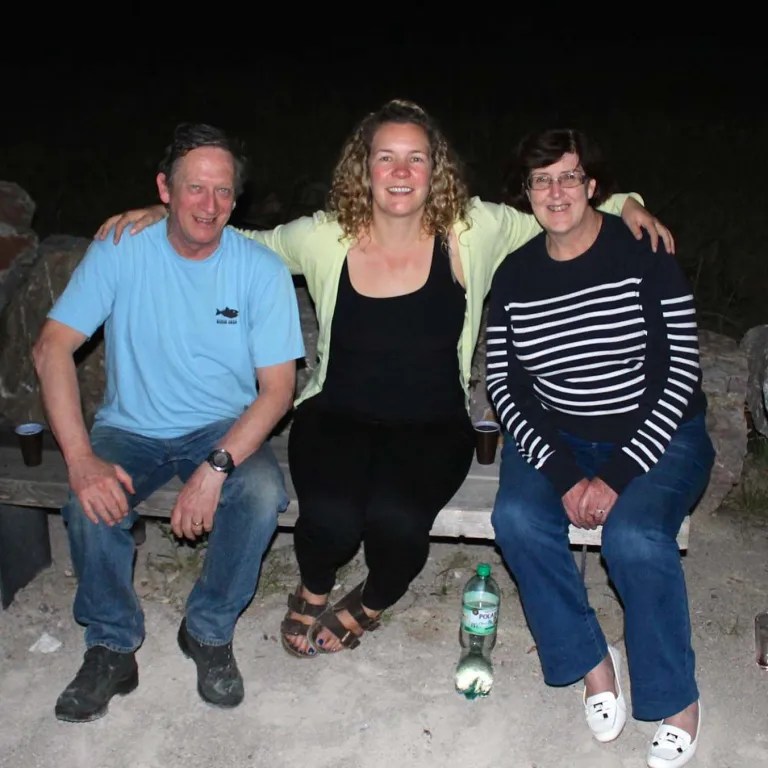
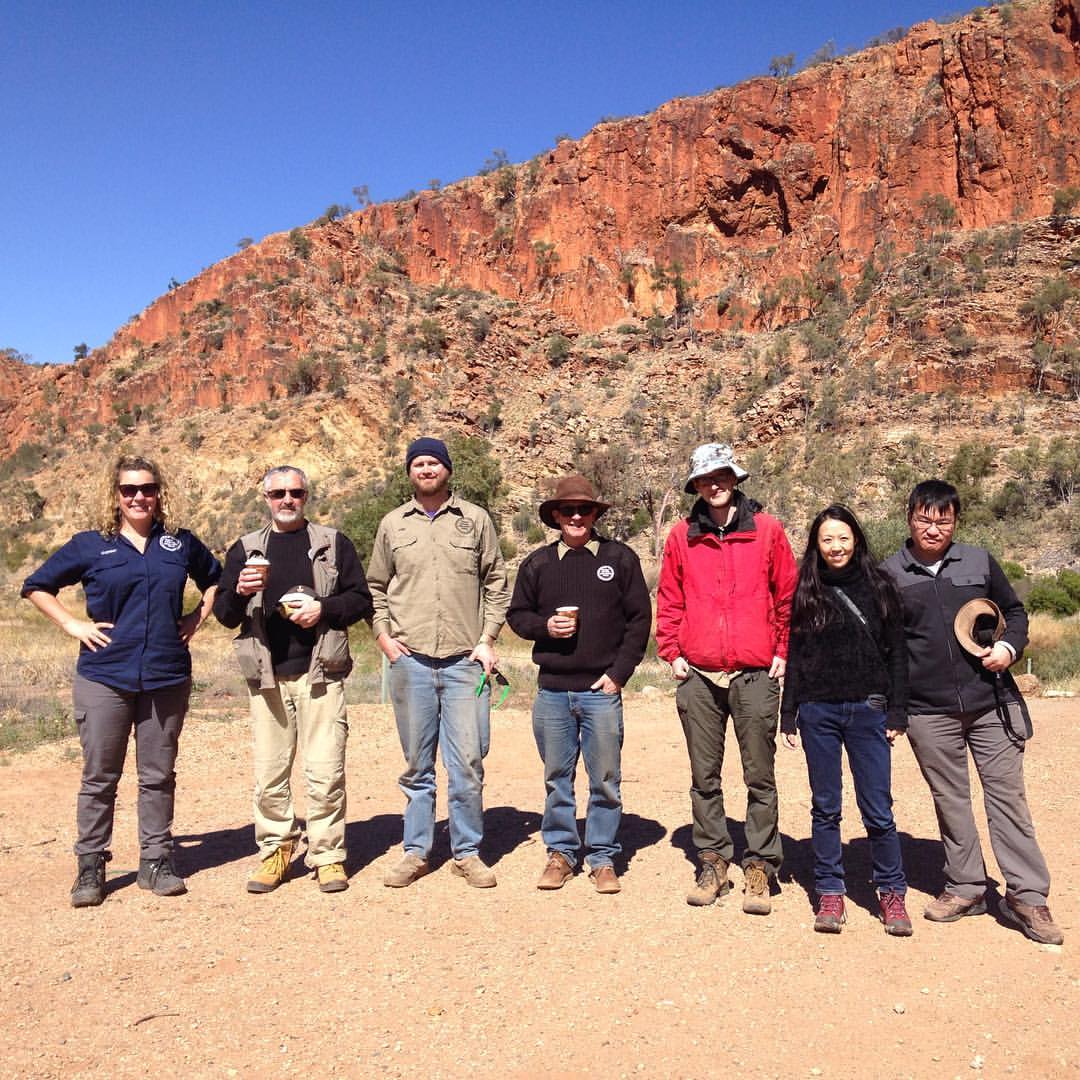
Enjoying ourselves at the conference dinner, at Marion Hotel (left and middle); Alice with conference co-organisers Diana Fusco and Aaron Camens (right).

Over the subsequent 4 days, the CAVEPS scientific program featured 78 scientific presentations and 35 posters covering all the facets of vertebrate palaeontology and evolution. We were also very privileged to have four fantastic invited plenary speakers:
o Prof. Robin Beck (University of Salford) on metatherian systematics;
o Dr. Jacqueline Nguyen (Australian Museum / Flinders University) on songbird evolution;
o Dr. Peter Bishop (Harvard University) on synapsid locomotor evolution;
o Mr. David Elliot OAM (Australian Age of Dinosaurs) telling us all about AUSTRALIA’S GREATEST UNTOLD STORY.

I’m extremely proud to have been a part of THE BIGGEST CAVEPS ever, and it is great to see so many students, making up >55% of all attendees. The future seems to be in good hands. It was a mammoth (Diprotodontian?) effort to bring this event together, and I certainly couldn’t have done it without the support and enthusiasm of my co-organisers, Dr Diana Fusco and Dr Aaron Camens, the generous support from our sponsors and Flinders University, along with a veritable assemblage of amazing volunteers! I am very much looking forward to attending (and not organising) the next one over in Otago, New Zealand in 2027!

Hello Harajicadectes (is that you grannie?)

Meet Harajicadectes, your 380 million year old great, great, great (etc) Grannie.

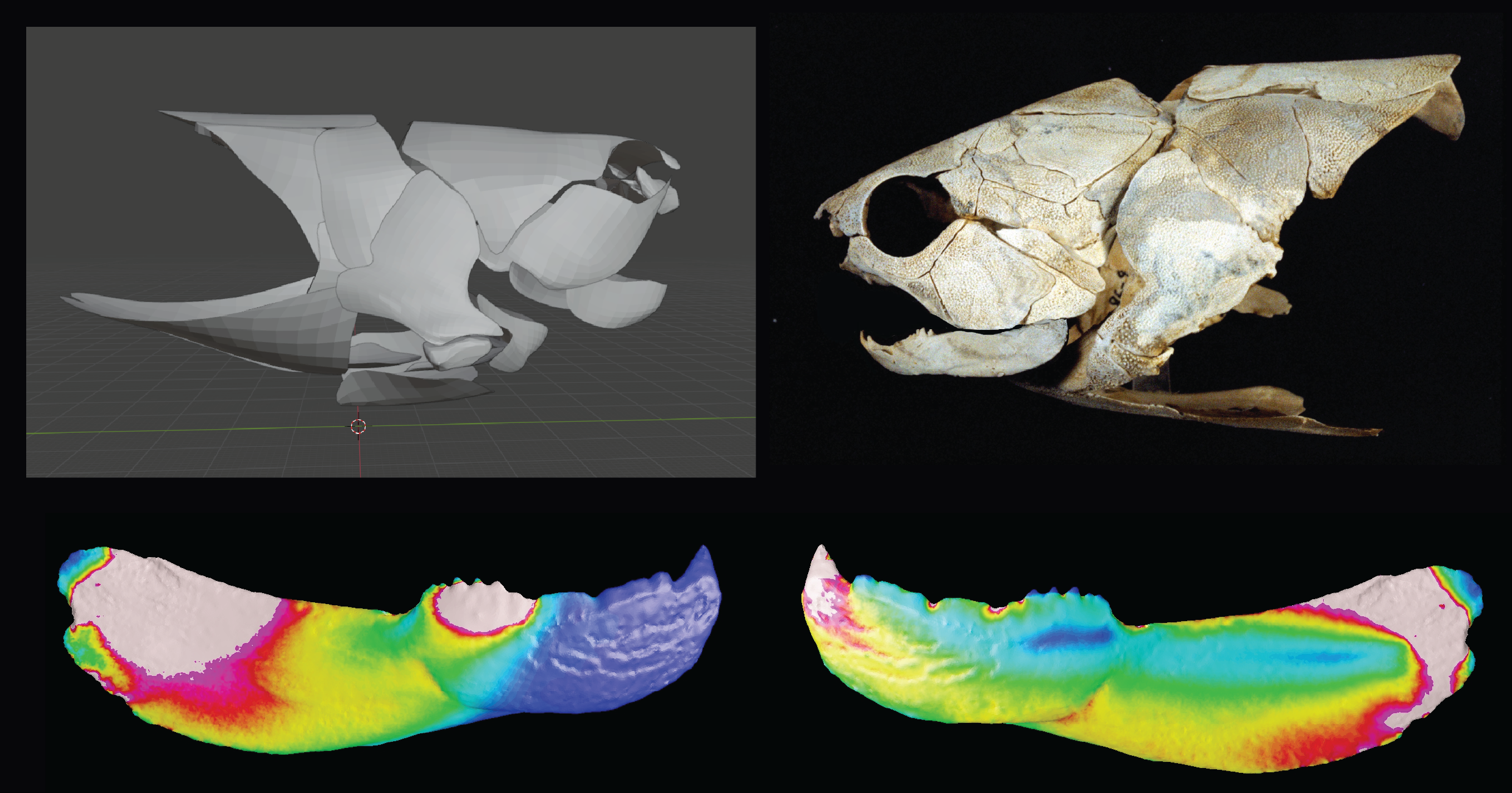
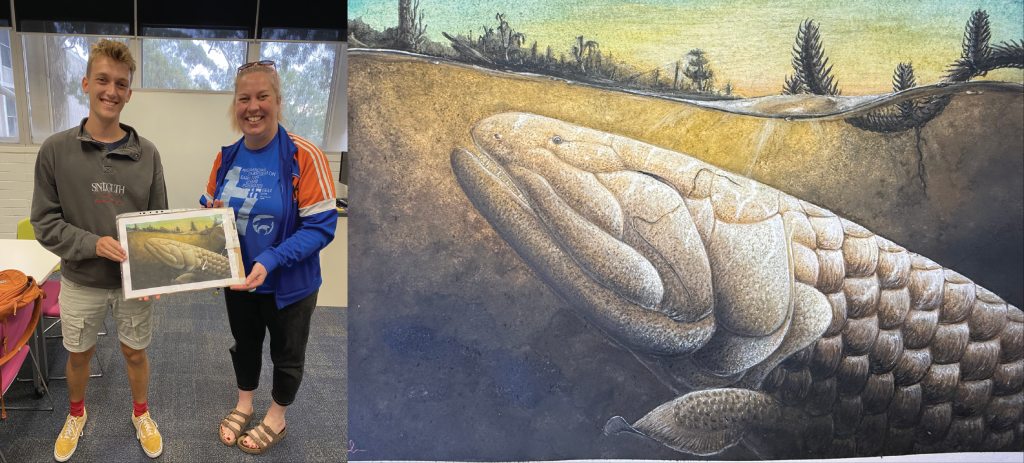
This fish, which was given the full name Harajicadectes zhumini, was described by myself and other colleagues, published this week in the Journal of Vertebrate Paleontology “A new stem-tetrapod fish from the Middle–Late Devonian of central Australia“.

This is a tetrapodomorph, or tetrapod-like fish, from ancient rock deposits in central Australia. This means this fish is more closely related to tetrapods (amphibians, reptiles & mammals), than it is to a salmon, for example. It bears important features suggesting it was capable of air-breathing, among other things.

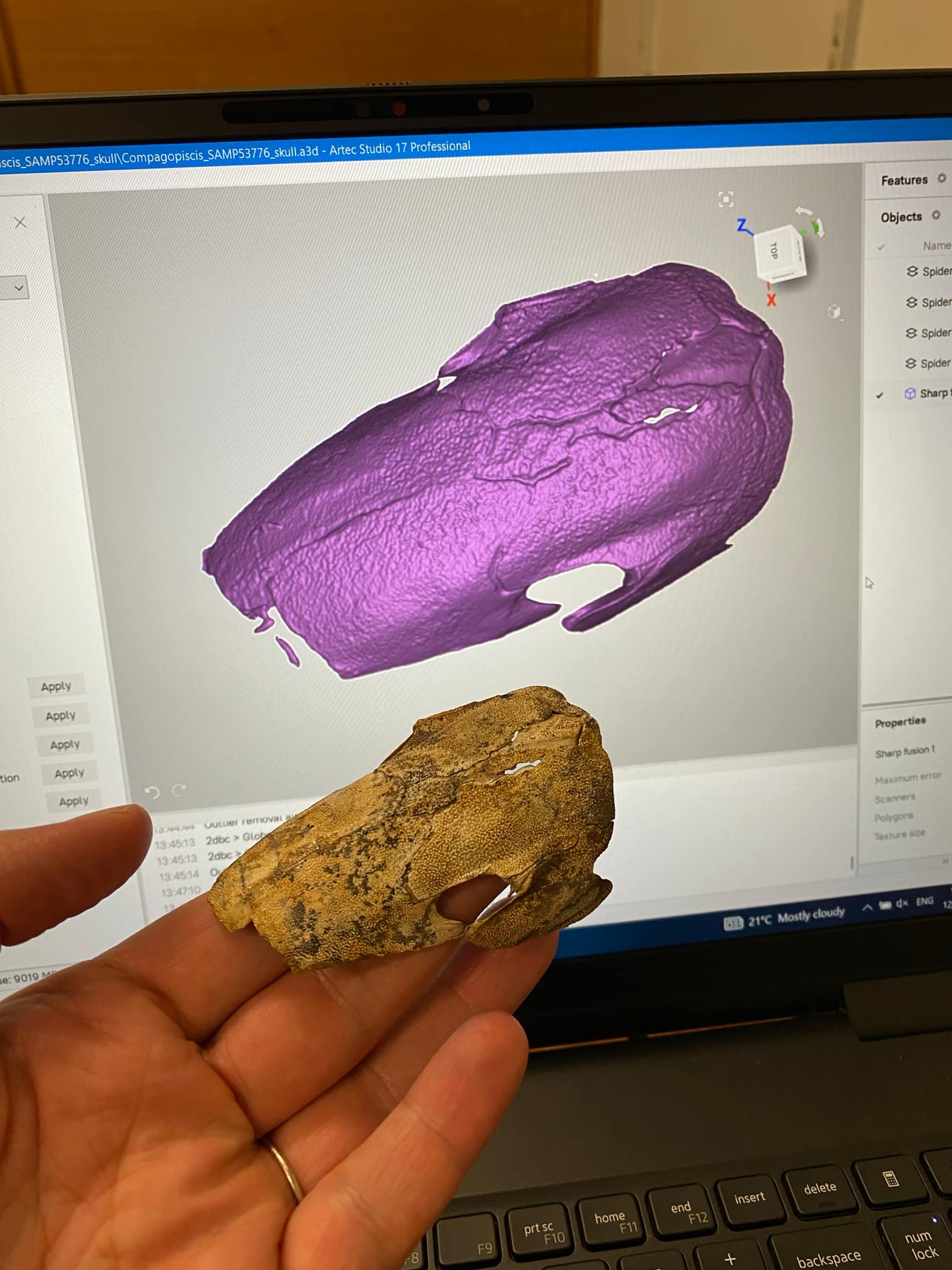
Bits and pieces of this fish have been found since the 70s by Gavin Young (ANU) and Alex Ritchie (Australian Museum), among others. However it wasn’t until a Flinders University field trip (with colleagues from ANU & MAGNT) to the area in 2016 uncovered the first complete specimen of Harajicadectes. Finally, all the little bits and pieces could confidently assigned to a single species.

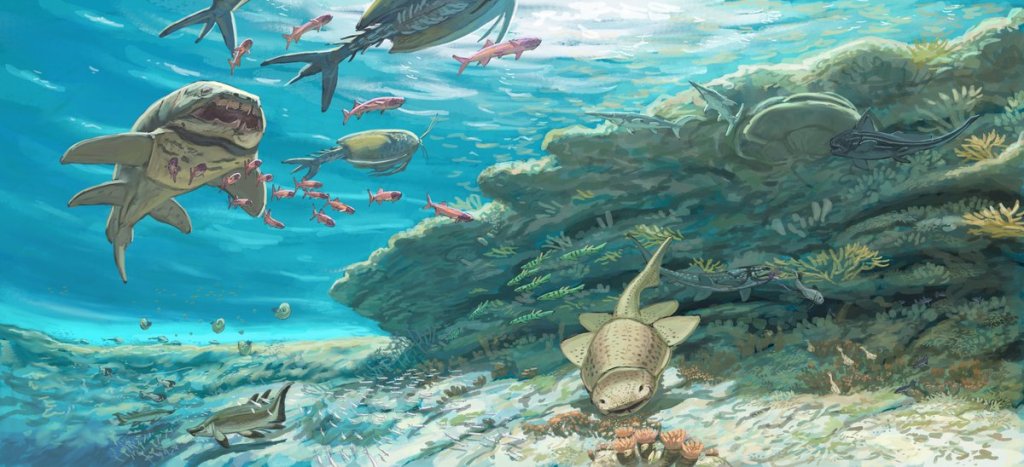
Dr Brian Choo led this paper and is the artist behind the beautiful life reconstruction of this extinct predatory fish from an ancient central Australian river. No doubt there are many more treasures lying in wait to be discovered in the rocks of outback Australia!

Harajicadectes zhumini (Choo et al. 2024). Artwork by Brian Choo.

If you would like to red more about this beastie, find our article published in The Conversation, “A 380-million-year old predatory fish from Central Australia is finally named after decades of digging.”

CAVEPS 2023

What is the collective noun for palaeontologists? An assemblage? A formation? A museum? Whatever it is, there was a big one last week in Melbourne/Naarm, Australia, for the 18th Conference on Australasian Vertebrate Evolution, Palaeontology & Systematics (CAVEPS 2023).

Some >180 attendees from Australia, New Zealand and beyond gathered to share their research on all aspects of the evolution and palaeontology of vertebrate animals (animals with a backbone). It was a very exciting and promising indication of the future of palaeontology in our region with more than half of all attendees being students (who often gave the best presentations).

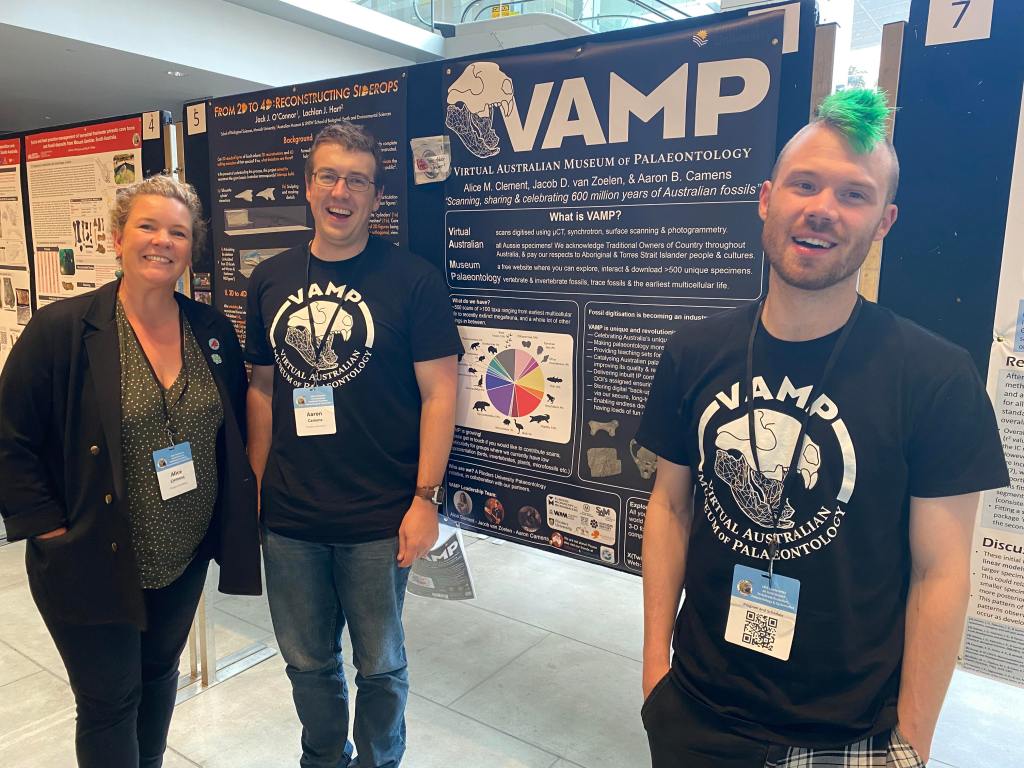
It was a busy week for me, giving a presentation in the “Synchrotron Imaging” workshop on Monday, presenting a poster (VAMP!) and giving one of the plenary lectures (alongside Tim Flannery & Kliti Grice).

A very important and insightful component was the session about why palaeontologists need to collaborate with First Nations people, facilitated by Jillian Garvey and Steve Salisbury. I was very pleased to see the beginnings of some (hopefully) meaningful change in our discipline and look forward to seeing how our approaches evolve in the years to come.

Attendees of the 18th CAVEPS, Melbourne/Naarm, 2023 (with Siderops for scale).

A big thank you to the organisers for a wonderful meeting, and I hope everyone is looking forward to the next one, to be held in Adelaide in 2025!