A holy trinity of papers?

In what feels like a bit of a flurry, three papers have been published this month.

First, Macroevolutionary role reversals in the earliest radiation of bony fishes, published in Current Biology led by Emily M. Troyer and Rafael A. Rivero-Vega, with contributions from Xindong Cui, Min Zhu, Tuo Qiao, Hadeel H. Saad, Rodrigo T. Figueroa, James V. Andrews, Alice M. Clement (that’s me!), Oleg A. Lebedev, Robert Higgins, Benjamin Igielman, Stephanie E. Pierce, Sam Giles, and Matt Friedman.

This is a really impressive paper that examines jaw shape in 86 species of Palaeozoic bony fish, and found that in stark contrast to their depauperate disparity today, lungfish and coelacanths had especially diverse, rapidly evolving jaws early on in their history. And, as a further inversion of modern-day patterns, the early ray-finned fishes had low disparity and slow rates of jaw evolution. I love just how “out there” lungfish (Dipnoi, in orange below) were!

Contrasting patterns of jaw-shape space exploration among early bony fishes.
Figure from Troyer et al. (2025) Current Biology.

Next, New specimens of the arthrodire Bullerichthys fascidens Dennis and Miles 1980 show incipient site-specific osteichthyan-like tooth addition and resorption, was published in the Swiss Journal of Palaeontology a week ago. This work was led by Kate Trinajstic, with input from co-authors Zerina Johanson, Carole Burrow, Moya Meredith Smith, John Long, Alice Clement, Brian Choo, Anton Maksimenko & Vincent Dupret.

This paper shows that the ability to reshape and shed their dentition can be traced as far back as our distant placoderm ancestors, using evidence from some really well preserved material of a fish called Bullerichthys from the Devonian-age Gogo Formation that we imaged using powerful synchrotron light to reveal the microstructure within their teeth.

Artist’s impression of Bullerichthys. Image credit: Brian Choo

Lastly, a really cool palaeoecological study was published this week, entitled Trait-space disparity in fish communities spanning 380 million years from the Late Devonian to present, published in Palaeogeography, Palaeoclimatology, Palaeoecology.

This one was another big group effort, led by John Llewelyn, with input from John A. Long, Richard Cloutier, Alice M. Clement, Giovanni Strona, Frédérik Saltré, Michael S.Y. Lee, Brian Choo, Kate Trinajstic, Olivia Vanhaesebroucke, Austin Fitzpatrick and Corey J.A. Bradshaw.

In it we compared diversity of various fish traits (such as mouth position, tail shape and so on) through space and time by comparing three Late Devonian fish communities, which included a tropical reef (Gogo, Australia), a tropical estuary (Miguasha, Canada), and a temperate freshwater system (Canowindra, Australia), compared against six modern communities from diverse habitats. By doing so we could show that Devonian and modern fish communities differ in trait composition, but that habitat and climate patterns are consistent across at least 380 million years of evolution!

Graphical abstract from Llewelyn et al. (2025)

A tale of two Joshuas…

Nope, I am not about to talk about figures from the Hebrew Bible (you’re certainly in the wrong place if that is what you’re after), but instead some fantastic student-led work that was published recently by two of my students.

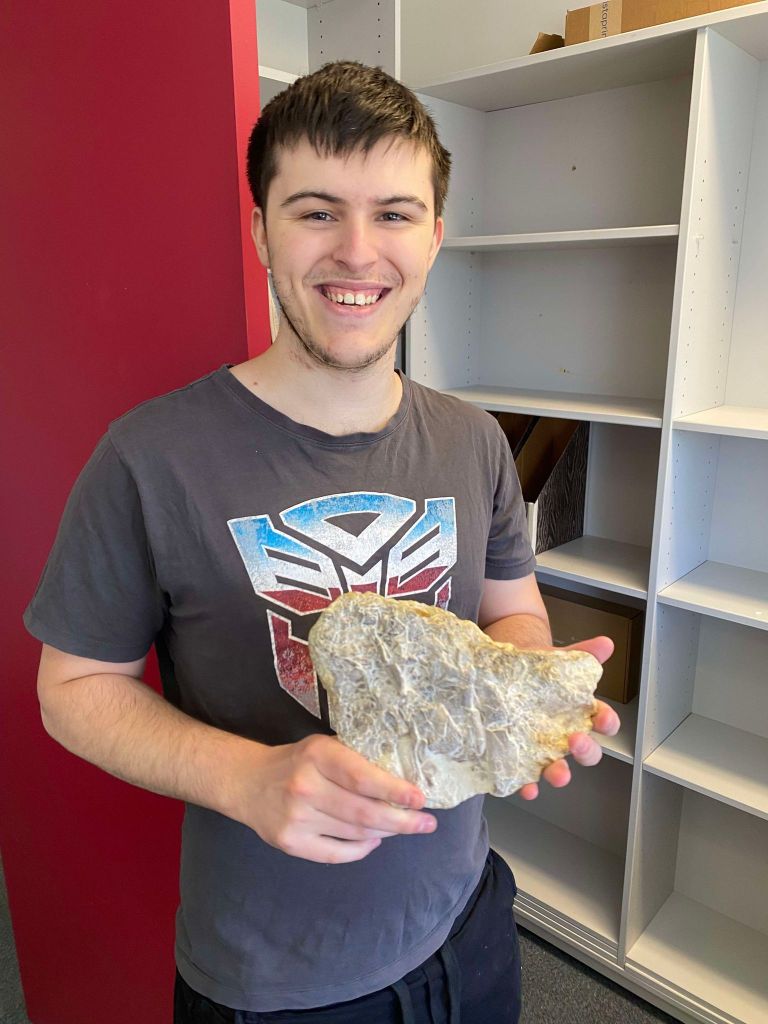
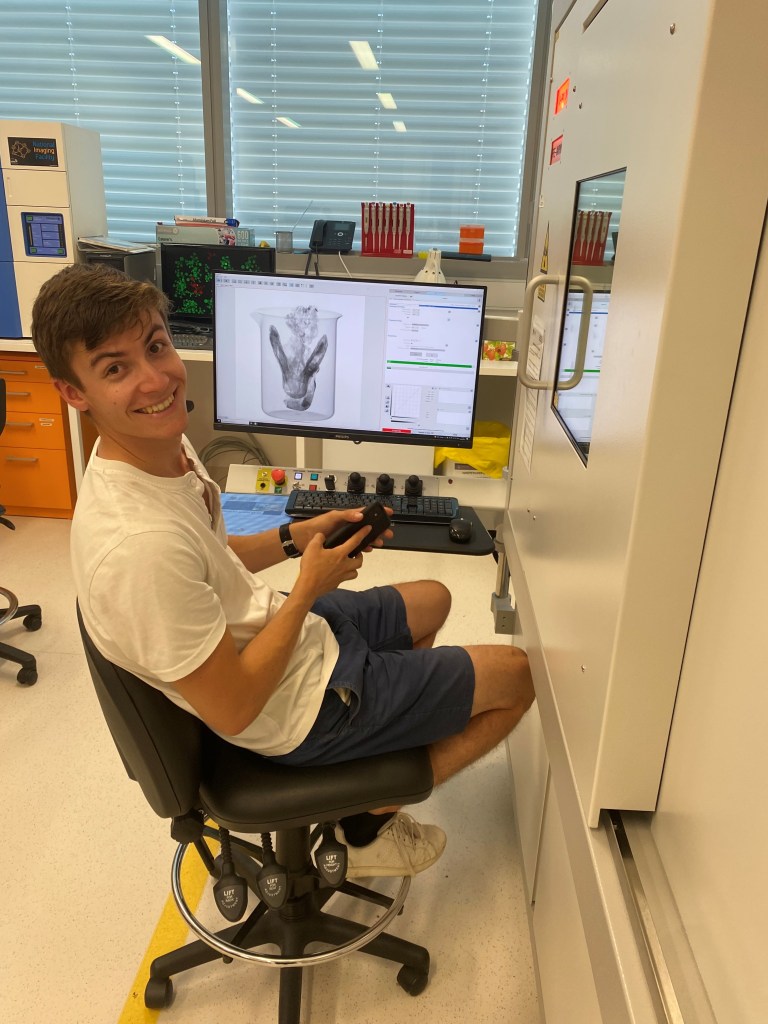
Firstly, Joshua Bland, who was an Honours student of mine at Flinders University during 2022-23, has published a paper in the mulitidisciplinary journal iScience with the title “Comparison of diverse mandibular mechanics during biting in Devonian lungfishes“.

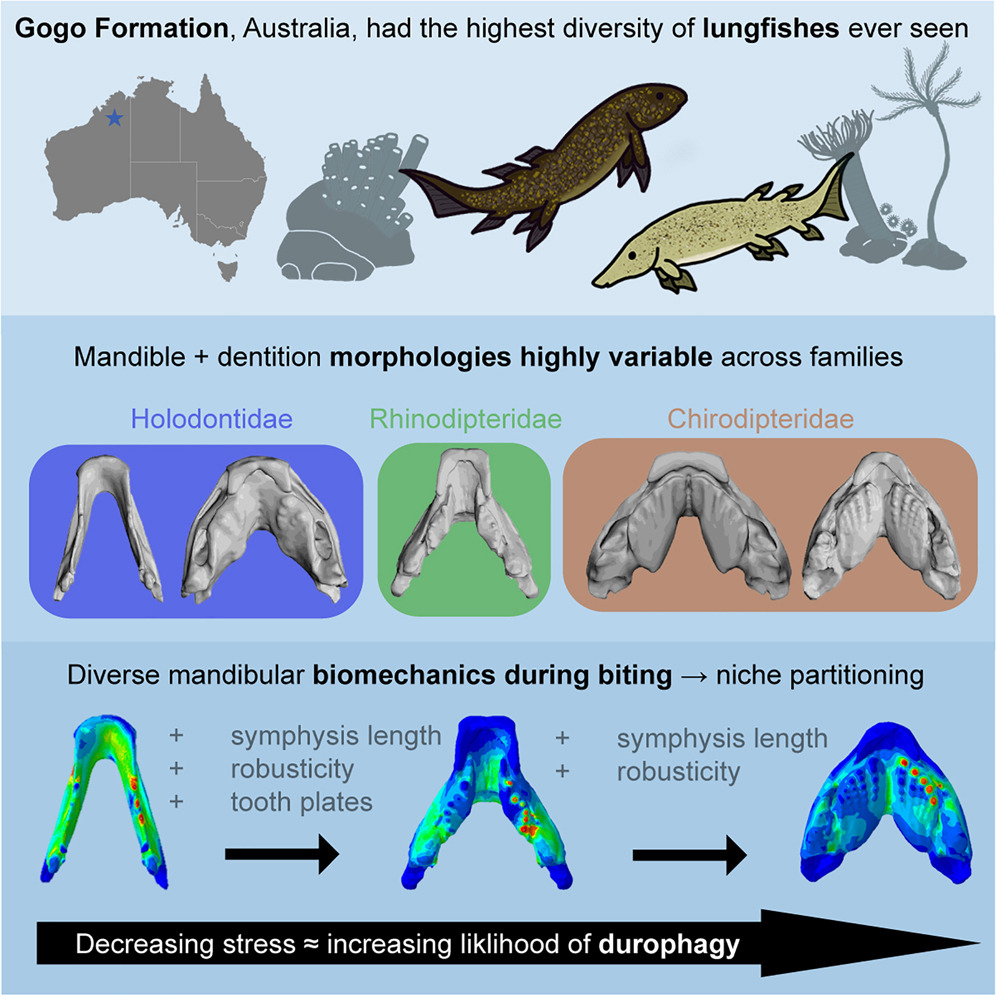
He worked on fossil lungfishes from the Late Devonian Gogo Formation, of northern Western Australia, which are beautifully preserved in 3D. Gogo is an interesting site for lungfishes, as this ancient tropical reef preserves the most diverse assemblage of lungfish species in any space or time from throughout their 400 million year history.

Graphical abstract from Bland et al. (2025) https://www.sciencedirect.com/science/article/pii/S2589004225012313

The lungfish at Gogo are taxonomically diverse (many species), but also morphologically disparate (anatomically different from each other). We wondered how this may impact function, did their jaws work biomechanically differently from one another?

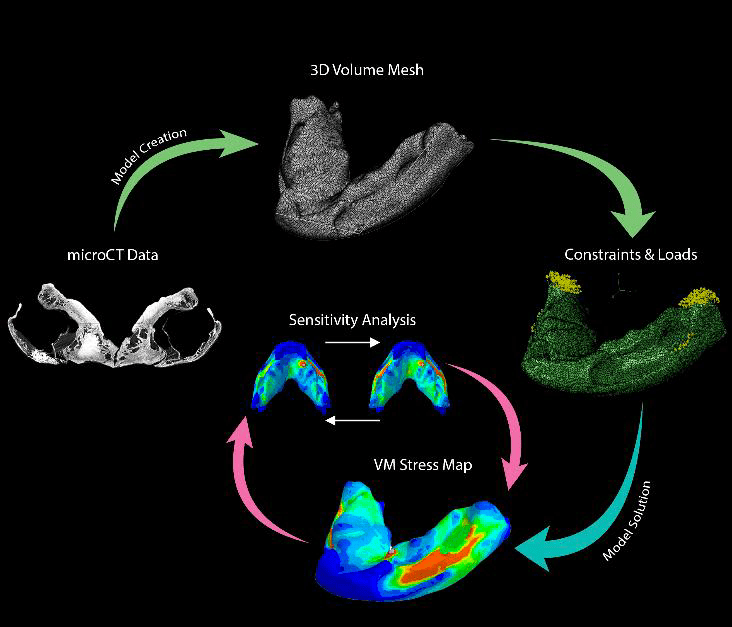
To answer this question, Josh used a technique adapted from engineering, called Finite Element Analysis (FEA). FEA is a computer-based method used to predict how structures respond to external forces by calculating the stress and strain within small, divided elements of the object. The first use of FEA in palaeontology was by Emily Rayfield and colleagues on the skull of a large theropod dinosaur in 2001, so its use remains quite recent for the field, and our study is the most comprehensive application to fossil fishes published thus far (yay!).

Generalised methods figure from Bland et al. (2025) showing stepwise
process to solve Finite Element Models of fossil lungfish mandibles (lower jaws) during biting.

Together with our co-authors, Hugo Dutel, John A. Long, Matteo Fabbri, Joseph Bevitt, and Kate Trinajstic, and our very own FEA guru, Olga Panagiotopoulou, we found a diversity of stress and strain experienced by our lower jaw models, with some surprising results. This diversity of jaw morphology and biomechanics seen among the lungfish at Gogo may have been one of the reasons driving their great success. Different lungfish were adapted for eating very different things and so weren’t in resource competition with each other.

Our comprehensive dataset offers the most detailed quantification of biting performance in any fossil fish thus far, providing biomechanical evidence for diverse feeding adaptations and niche partitioning within Gogo lungfishes.

And then to add to the excitement, another paper was published in the same week from another Joshua! This time it was current PhD student, Joshua Batt, publishing his first peer-reviewed paper in the Journal of Vertebrate Paleontology with “New rhizodontid (Tetrapodomorpha, Sarcopterygii) material from Romer’s gap (Tournaisian) of the Ballagan Formation (Scotland, UK).”

Working together with Dr Tom Challands, from the University of Edinburgh, researchers at Flinders University have been busy preparing and describing a real beast of a fish from the Early Carboniferous of the UK. The specimen was extracted by Tom and colleagues from Burnmouth in Scotland, but 10 or so large blocks of material came to Australia in 2020 for further study. Painstaking mechanical preparation has been done by Carey Burke and revealed what is likely to be one of, if not the most, complete articulated rhizodont fish known.

John Long, Carey Burke and Josh Batt inspect a specimen of fossil rhizodont at Flinders University.

Rhizodonts were large predatory lobe-finned fishes that lived throughout the Devonian and Carboniferous periods, usually in freshwater or estuarine environments. Some are thought to have grown as big as seven meters in length and they had very big teeth. Not a fish I would like to swim with!

Josh started working on this material for his Honours project during 2024, and there still remains a lot of it to be formally described, especially post-cranial material, but this first “rapid communication” paper presents the “main skull block”. Is this thing more beauty or beast… (perhaps beauty really is in the eye of the beholder?)

Image from Batt et al. (2025) JVP showing the dorsal view of NMS G.2025.10.1.1.

Needless to say, I felt very proud seeing two of my students have their first peer-reviewed publications come out. I expect more good things to come from both of them.

Want more? You can find both of these fantastic papers via the links below:

Science, SPring-8, and Sushi!

It seems I had such a “SPring” in my step, I completely forgot to write about my trip to Japan in November last year!

Thanks to a Flinders University International Research Engagement grant, I had the means to visit SPring-8 (the world’s largest third-generation synchrotron radiation facility) to work with my collaborator A/Prof. Tatsuya Hirasawa scanning embryos of the Australian lungfish, Neoceratodus forsteri.

The Japanese synchrotron, known as SPring-8, is nestled atop a mountain in Hyōgo Prefecture in the Kansai region of Japan. The nearest major cities are Osaka and Kobe. Sika deer amble through the grounds which are frequently shrouded in fog (they inspired me to write a haiku), and somewhat unusually for synchrotron facilities, there are paths to ride bicycles inside!

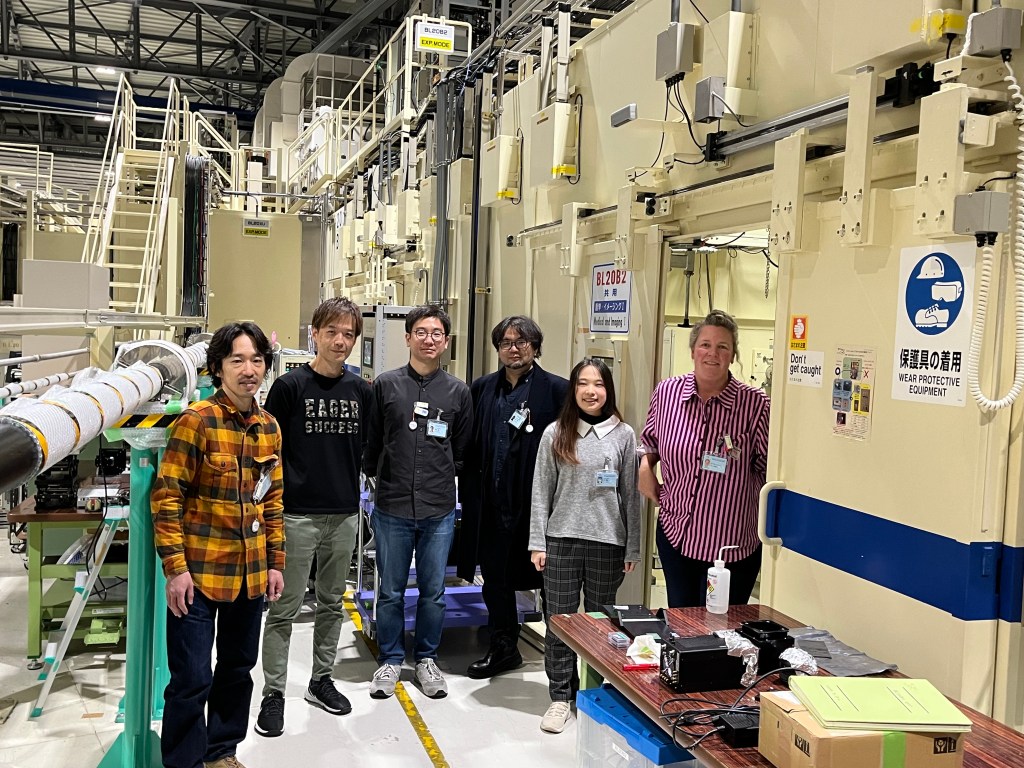
The team at SPring-8, Japan, after a successful experiment.

Sika deer through fog

SPring-8 autumnal mountain

Embryos revealed.

I was there working with Tatsuya Hirasawa and his team to image an ontogenetic (referring to the development of an organism throughout its lifespan) sequence of the Australian lungfish. I’ve previously worked on this animal to describe aspects of its brain (Clement et al. 2015) and muscle (Ziermann et al. 2017) anatomy (but see also Challands et al. 2020 where we discuss brains AND muscles in the same paper!)

Even though I had worked at the ANSTO Australian Synchrotron and ESRF in Grenoble before, I had never scanned tiny embryos of animals, and so learnt a lot about the preparation and parameters best suited to this kind of material. Other researchers working with us included Hiroki Higashiyama, as well as Toru Kawanishi and Kiiri Hama, respectively scanning either chicken embryos or bichir fish fins.

Left to right: Tatsuya Hirasawa, Masato Hoshino (beamline scientis), Toru Kawanishi, Hiroki Higashiyama, Kiiri Hama, and Alice Clement, using BL20B2 beamline at SPring-8, Japan.

Following on from our successful synchrotron experiment, I spent a week in Tokyo. I was honoured to give an Evolutionary Morphology seminar at the beautiful and historic campus of the University of Tokyo (those ginkgo leaves!) and visit Tatsuya Hirasawa’s lab. Tatsuya Hirasawa and his group analyse fossil specimens using synchrotron radiation, as well as developmental genetic analyses of living animals at the gene and cellular level to investigate “Evo-Devo” of vertebrates. To his group and other guests from various institutions in Tokyo, I presented research on “Digital Palaeontology of the Early Vertebrates” to a very engaged and interesting group.

Evolutionary Morphology seminar, University of Tokyo, Japan, November 2024.
Alice and Tatsuya at the University of Tokyo.

I also took the opportunity to travel nearby Tsukuba to visit A/Prof. Daichi Suzuki (University of Tsukuba), whom I had met recently at the ISELV meeting in Quebec. He investigates the evolutionary origin of the vertebrate brain and consciousness, which is absolutely fascinating! Whilst there I got to look at some cool lamprey scans he and his students are working on, and give a palaeontology seminar. Biiiiiiiiiiiiiig thanks to the amazing Chisako Sakata for the tour of the National Museum of Nature and Science Tsukuba Research Center!

Visiting the National Museum of Nature and Science Tsukuba Research Center with my family.
Paleomorphology Seminar, University of Tsukuba.

I had such a wonderful time in Japan, AND was lucky enough to get back briefly less than two months after this visit for the 4th International Coelacanth Symposium, also held in Tokyo. Two visits in close succession was a great reason to revive my old high school Japanese… (また日本に行きたい!) That being said, I can’t wait for the next trip!!!

350 million-year-old reptile footprints

Snakes, lizards, turtles, crocodiles, dinosaurs… these are all reptile animals, and were thought to have first appeared about 315 million years ago in a time period called the Carboniferous (Bashkirian). The oldest evidence of these animals, amniotes, which eventually gave rise to all reptile, birds and mammals alive today, was known from sites in Europe and North America.

Imagine a palaeontologists’ excitement then, when enthusiastic fossil fossickers from Mansfield, Victoria, get in touch about an interesting slab of rock they have found in even older Carboniferous rocks. Citizen scientists John Eason and Craig Eury discovered a slab of rock from Taungurung Country, Mansfield, covered in trackways (fossil footprints) showing not just distinct toe imprints, but obvious claw marks, meaning these must have been made by an amniote, not amphibian, track maker.

The age of these rocks is securely dated, and so our finding pushes pack the known origin of reptile-like animals ~35 million years older than previously known!

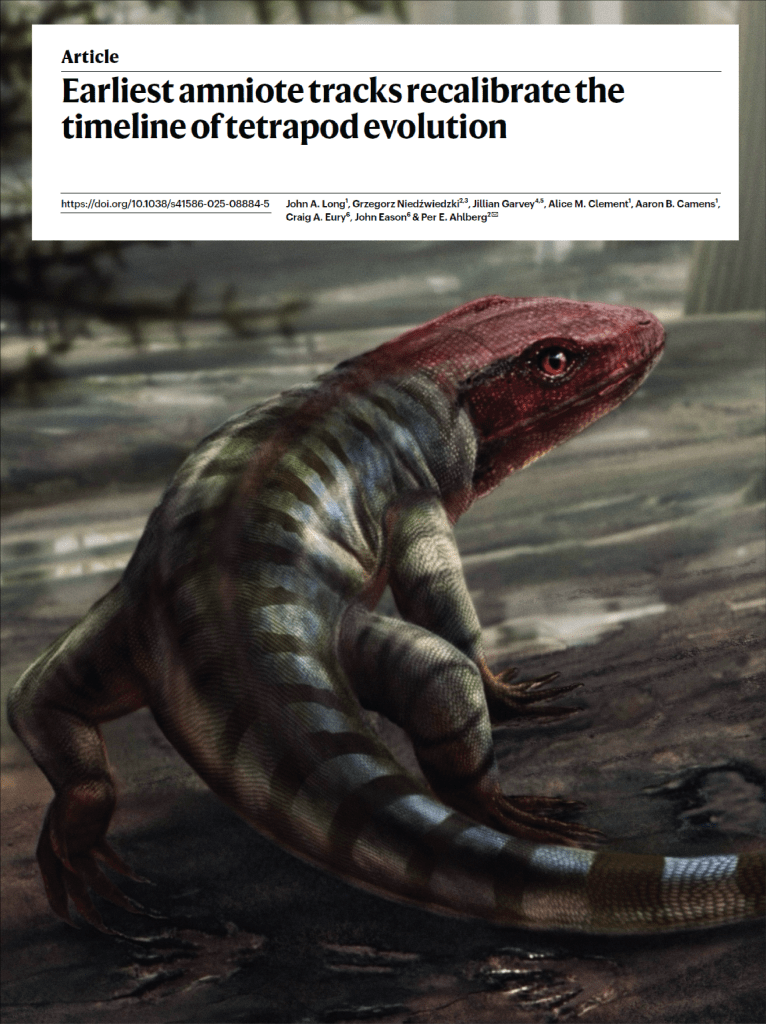
The team are thrilled to announce our latest paper was published today in the highly prestigious journal Nature, Earliest amniote tracks recalibrate the timeline of tetrapod evolution, led by Prof John Long, our amazing citizen scientists, John Eason and Craig Eury, who found the fossil, as well as Grzegorz Niedźwiedzki, Jillian Garvey, Aaron Camens, Per Ahlberg, and myself.

Polish artist Marcin Ambrozik recreated a life reconstruction of “Manny” our adorable little 350 million-year-old amniote, and Monkeystack Creative Studio bought them to life in the awesome video below:

This discovery has significant implications not only for reptile evolution, but for all tetrapods (four-limbed animals with backbones). By pushing back the earliest origin of reptile-like animals to the earliest Carboniferous (Tournaisian), it means that the records of other earlier groups (with complicated names like temnospondyls, seymouriamorphs, diadectomorphs, baphetids and colosteids) might have much older origins than previously appreciated and require some level of “re-calibration”.

Even more excitingly, I think this discovery sheds light on Australia, as part of the ancient supercontinent of Gondwana, as a place ripe for exploration and other major discoveries. Who knows what else lies out there awaiting discovery?

Want more?

Canowindra Capers

I have just returned from a week in NSW central west with ~25 students from Flinders University. Our fieldtrip visited two significant vertebrate palaeontology sites in the area, the Wellington Caves, which have captured the bones of mega (and mini-) fauna over the last few million years in an ancient limestone cave complete with sparkling geological “Cathedral” features.

Just 90 minutes from Wellington lies the township of Canowindra, a site of exceptional preservation (lagerstätte) from the Late Devonian (Famennian) age. I’ve known about this site since I first started studying fossil fish, but had somehow never visited before now.

An ancient meandering river system is thought to have captured a mass of fish in a channel cutoff from the main river, which eventually dried up capturing thousands of fish in a shrinking drying billabong 363 million years ago. Evidence of the site was first recognised when a slab of rock was upended revealing curious marks underneath during the 1950s. A Canowindra local, and then the curator at the Australian Museum in Sydney could see these were unusual curious fossil fish from days gone by.

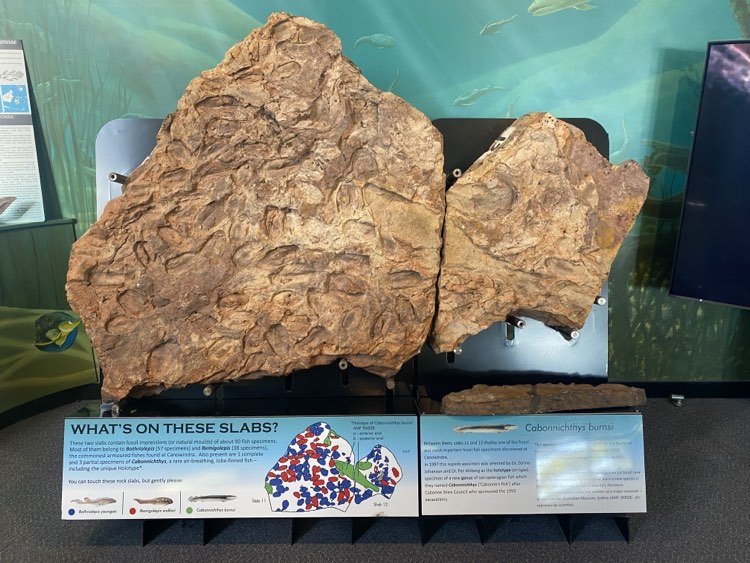
Later, Palaeontologist Dr Alex Ritchie of the Australian Museum, conducted an excavation in 1993, at that time he and his team collected approximately ~3000 fish specimens from a single layer within the Upper Devonian Mandagery Sandstone. Many of these specimens are now on display in the FANTASTIC Age of Fishes Museum.

The site itself is Late Devonian (Famennian) in age, capturing a moment in time ~363 million years ago. More than ~3000 fossils have been unearthed from a single rock layer within the Upper Devonian Mandagery Sandstone.

The accumulation of fish fossils from drought conditions points to a single palaeocommunity, with trace fossils such as ripple marks suggesting a fluviatile (billabong) environment. The preservation of the Canowindra fauna indicates that the fish became isolated in a temporary pool of water, which rapidly dried up. The concentration of all the fish packed upon one another in the layer suggests a mass mortality event due to these dry conditions.

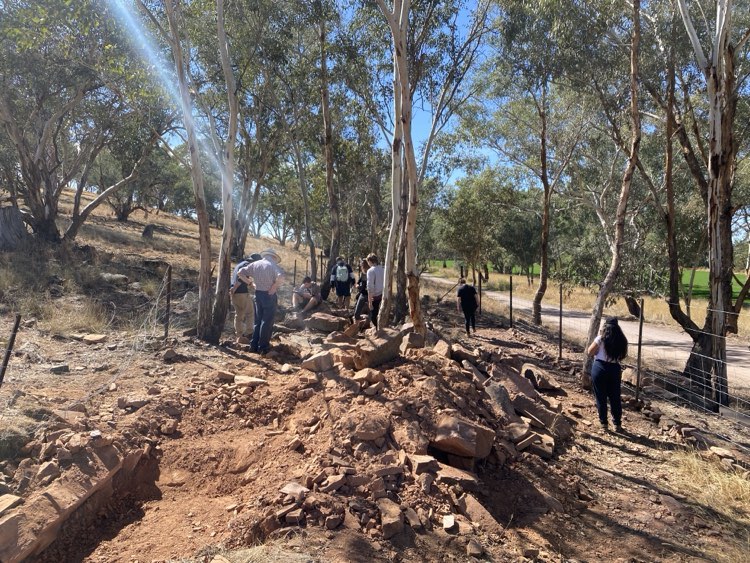
The original fossil fish dig site.

So far there are eight species of fossil fish recognised from the Canowindra site, with one of those still awaiting formal description. The fauna is dominated by the two named species of antiarch placoderms (jawed, armoured fishes), Bothriolepis and Remigolepis, comprising some 97% of the fauna! The other placoderm, Groenlandaspis, an arthrodiran placoderm, is much rarer, with just ~50 specimens recovered. The sarcopterygians (lobe-finned fishes) are even rarer still, with the remains of approximately 20 individuals across five genera, found so far.

We were warmly welcomed to Canowindra by the new owners of the property containing the original fossil fish site, David and Aleysha McGrath, as well as by the staff of the Age of Fishes Museum. We kicked the week off with a public talk held at the bowling club where I spoke about “The Devonian Age of Fishes, from an Australian Perspective”. It was fabulous to see so many locals turn up for the event and there were many good questions and curiosity about the future of the site (I believe it is in very good hands).

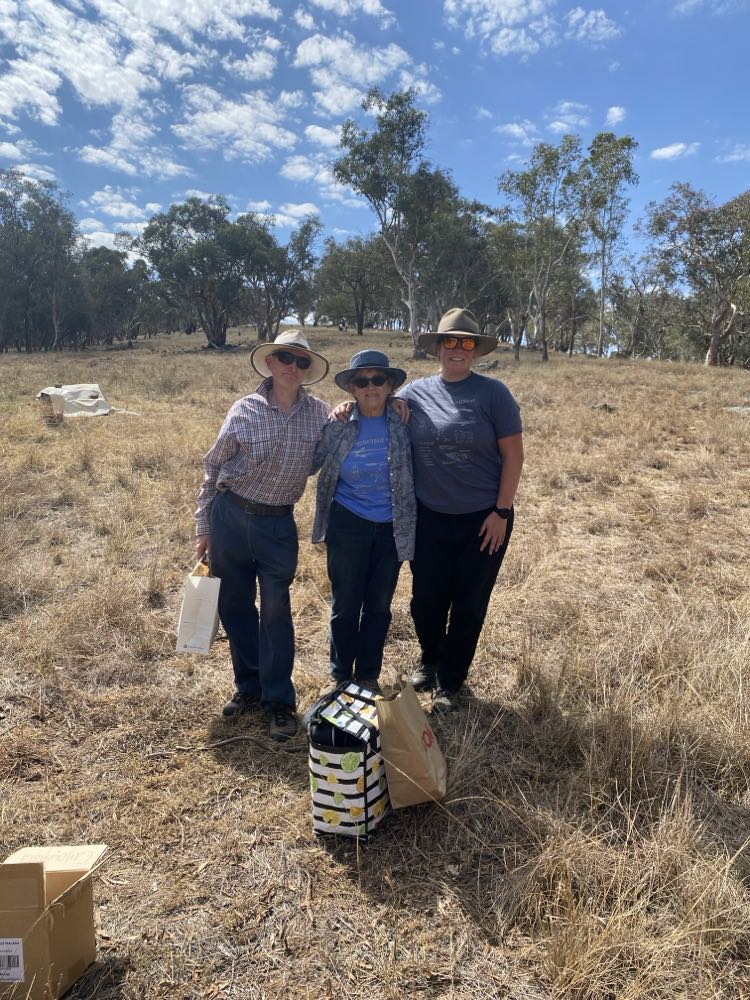
David, Aleysha and Alice on site at the original fossil fish dig site.

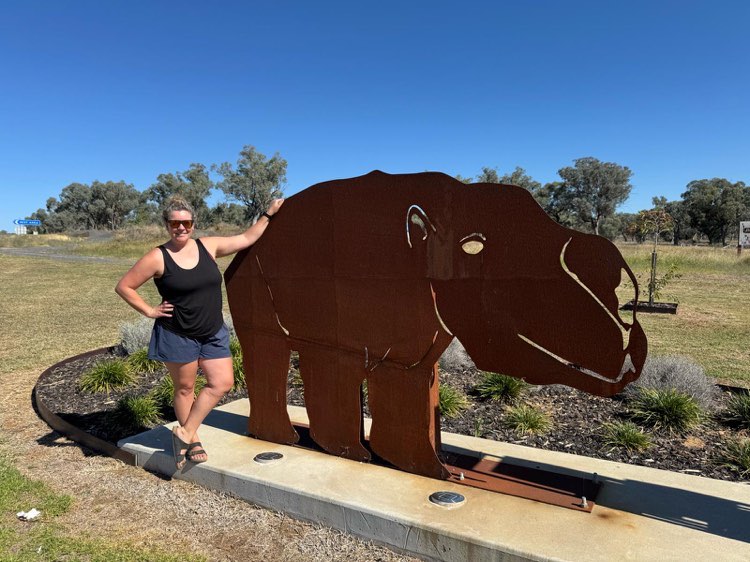
It was a delight to take the students out into the field to see the site of the original dig and even identify a few previously undiscovered fossils from big blocks of the sandstone. The site is dominated in abundance by the placoderms, but we were shown an enigmatic new specimen that looked decidedly lobe-y. There are five species of lobe-finned fish known from the site, but these are rare occurrences. At first, we thought it might be a large individual of a long-snouted lungfish, but after taking a silicone impression of the specimen (using a special putty) we could identify it as a large individual of Mandageria fairfaxi, the biggest beast from the ancient waters of Canowindra. Mandageria holds the special honour as being the state fossil emblem of NSW!

Read more: Incidentally, do you know your own state fossil emblem?

ACT NSW QLD SA VIC WA (get your act together TAS & NT!)

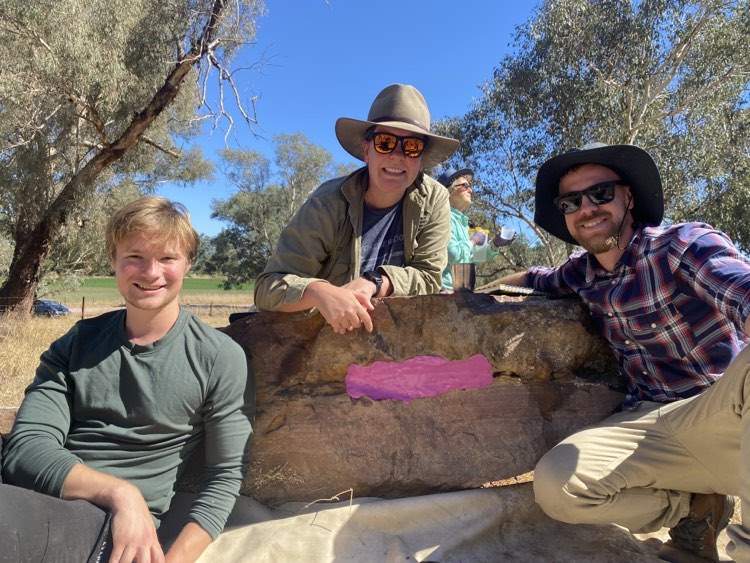
Austin, Alice and Ramon taking a silicone mould of a fossil still encased in the rock.

After a morning in the field, we took the students for an afternoon at the fantastic Age of Fishes Museum. This is a really fabulous local museum where real specimens are on display showing the exceptional preservation of hundreds of whole fish bodies preserved jam-packed upon one another in their final moments. The high quality of the interpretive material and exhibits, truly welcoming staff, and sunny picnic spot outside make it well worth a visit! Our students perused the gallery and we learnt to identify and distinguish the different fish known from Canowindra. We spoke about the distribution and relative abundance of the various groups, and what palaeoecological and biogeographical implications could be drawn from that. We rounded out our afternoon with a look through the additional slabs held in the storage shed, with a surface scanning demonstration and practise session.  

4th International Coelacanth Symposium

Do you know what was the greatest zoological discovery of the 20th century? Many people would probably say that it was the discovery and identification of a living coelacanth fish (Latimeria), dragged up from the oceanic depths off the coast of Southern Africa. This discovery revived a lineage of fish that had been thought extinct for 70 million years!

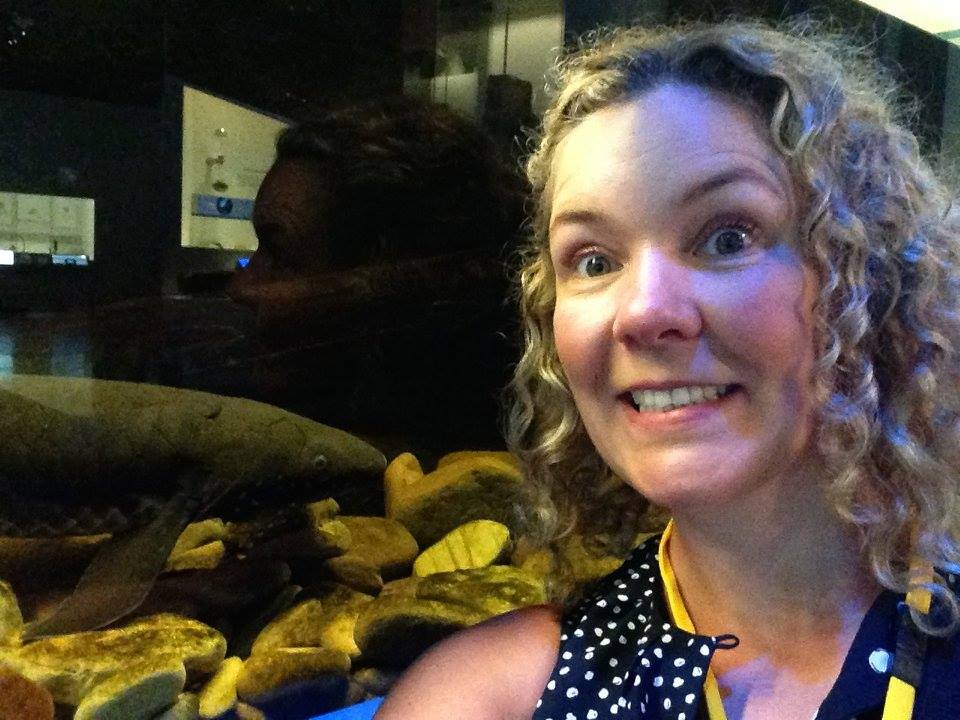
Alice Clement with Latimeria chalumnae, at the JLB Smith Institute of Ichthyology in Makhanda (Grahamstown, South Africa)

I’ve written about coelacanths several times before: fossil ones, living ones, and even “living fossil” ones, but this month was the first time I attended a scientific symposium dedicated wholly to this enigmatic and enduring group of fishes.

I was fortunate enough to attend the 4th International Coelacanth Symposium, held at Josai University, in Tokyo, Japan. The meeting was co-organised with Aquamarine Fukushima Marine Science Museum and attracted speakers from 7 countries (somewhat remarkably spanning all 6 continents except Antarctica).

Coelacanth scientists at the 4th ICS. Back row, L-R: Frensly D. Hukom (Indonesia), Gaël Clément (France), Yoshitaka Yabumoto (Japan), Camila Cupello (Brazil), Paulo M. Brito (Brazil), Alexis Chappuis (France), Alice Clement (Australia), Shinya Miyata (Japan), Yuji Takakuwa (Japan), Shinya Yamauchi (Japan). Front row: Masamitsu Iwata (Japan), Kerry Sink (South Africa), Tatsuya Hirasawa (Japan), Augy Syahailatua (Indonesia).

The speakers were a diverse range of scientists who covered everything from ecology and conservation of living populations, anatomy, as well as the evolution and disparity of fossil forms, and much more. I spoke about our recently described new fossil coelacanth from Australia, Ngamugawi wirngarri, and rates of evolution in the group since their appearance in the fossil record ~410 million years ago.

Many thanks to the organising committee (Masamitsu Iwata, Yoshitaka Yabumoto, Paulo M. Brito, and Shinya Miyata) for such a fabulous meeting, and I am very much looking forward to the next one (2027 in Indonesia, perhaps?). We were very well looked after in Tokyo, and it will be an honour to collaborate with this fabulous group of researchers!

ありがとうございました!!!

What’s the best thing about lungfishes?

THAT is a difficult question to answer.

Is it that they breathe air? Is it their weird teeth? Their ginormous genomes? Is it that they have some of the same bones in their fins that we have in our own arms? Is it that their lineage stretches back over 400 million years and they are some of the most enduring, long-lived species alive today? Maybe it is their cute little beady eyes?

For my final post for 2024, I’ll direct you to a “Quick Guide” all about lungfishes, published today in Current Biology***. I hope you enjoy it!

Neoceratodus forsteri & Homo sapiens enjoying each other’s company.

*** if you can’t get behind the paywall, send me a message and I can supply a special “share link” to access the article. Current Biology, “Lungfishes” article available here: https://www.cell.com/current-biology/abstract/S0960-9822(24)01221-1?rss=yes

Plate tectonics drive 410 million years of coelacanth evolution

I’m very proud to present the most recently described fossil coelacanth fish, from the 385 million year old Devonian Gogo Formation on Gooniyandi Country in Australia, published last week in Nature Communications. In conjunction with elders from the Mimbi Community, we named graced it with the first name taken from Gooniyandi language, Ngamugawi wirngarri, meaning “ancient fish in honour of Wirngarri”.

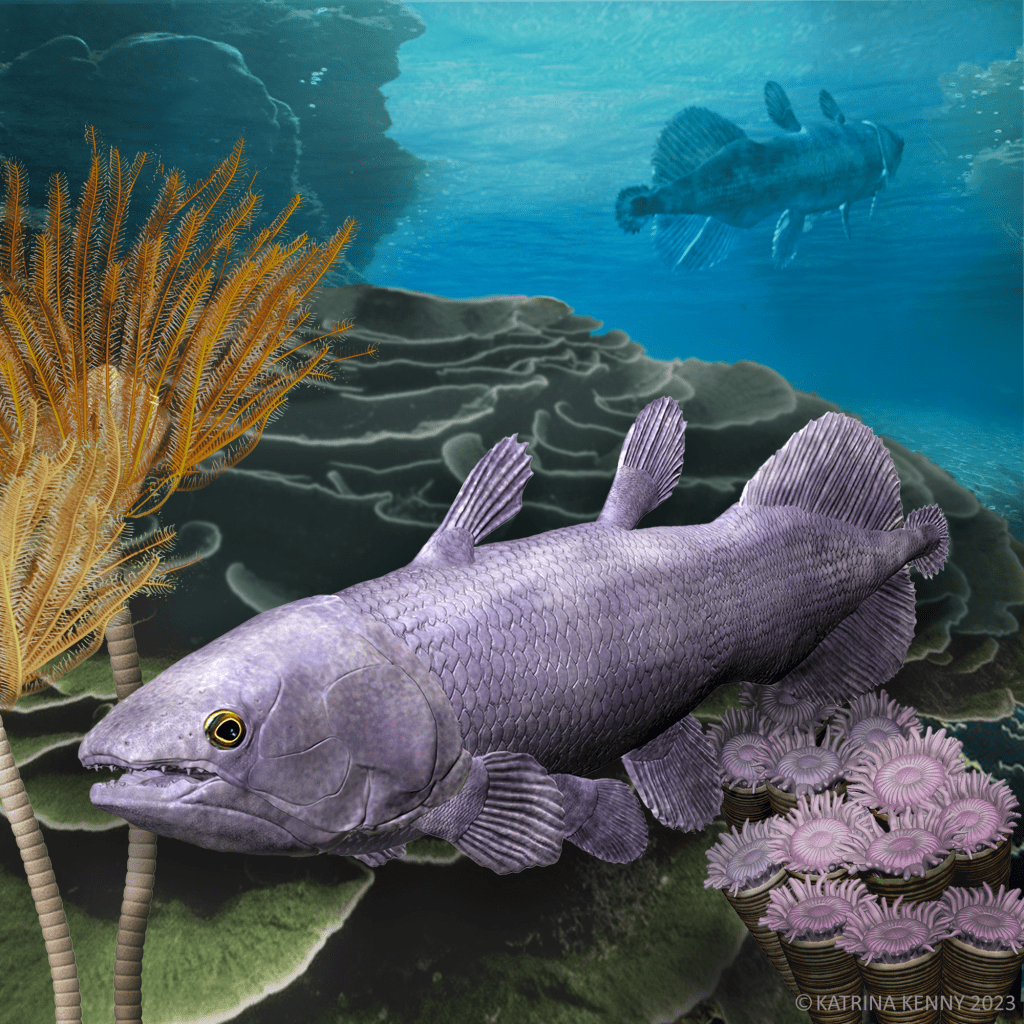
An artist’s interpretation of Ngamugawi wirngarri in life (Katrina Kenny).

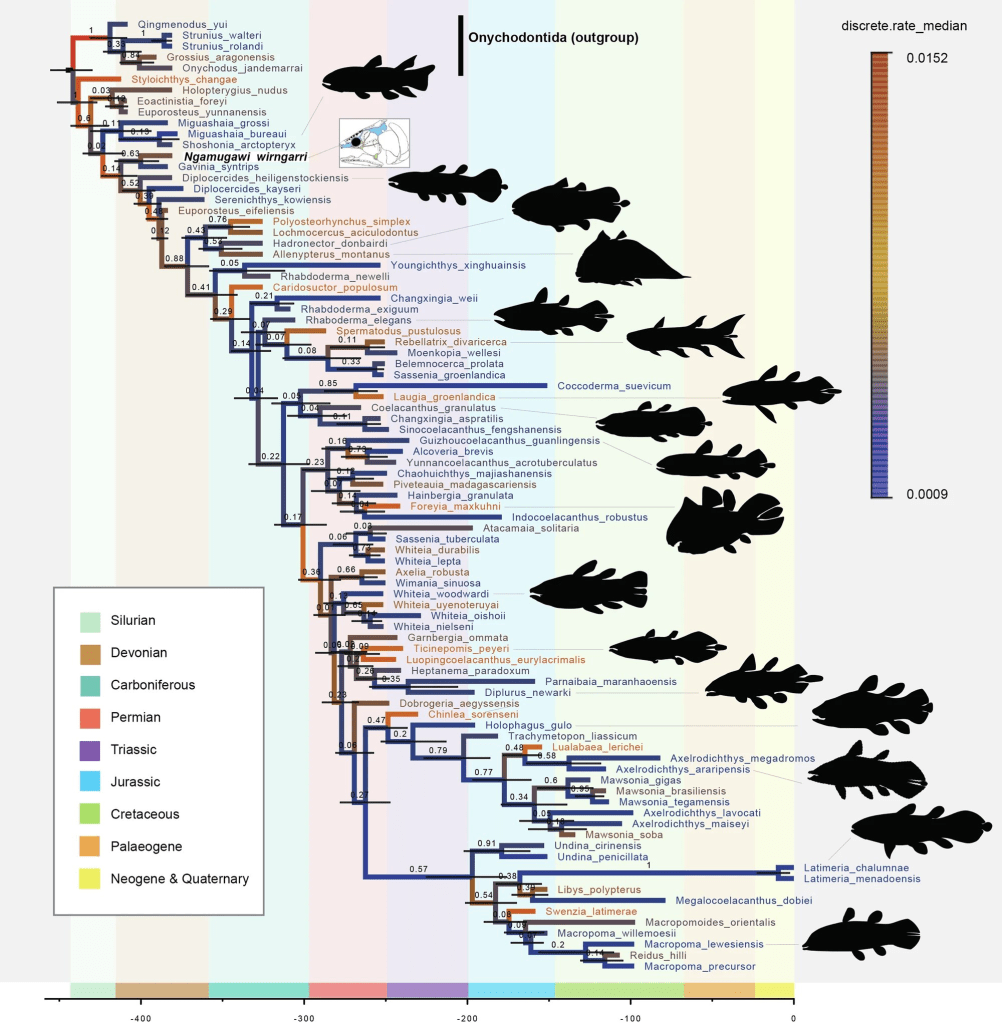
Our paper “A Late Devonian coelacanth reconfigures actinistian phylogeny, disparity, and evolutionary dynamics” not only describes a new fossil species, but explores and analyses the entire 410 million year evolutionary history of coelacanth fishes. It was a great honour to lead this project, and absolutely could not have been done without my talented and knowledgeable co-authors Richard Cloutier, Mike Lee, Ben King, Olivia Vanhaesebroucke, Corey Bradshaw, Hugo Dutel, Kate Trinajstic and John Long.

WATCH MORE HERE: https://www.youtube.com/watch?v=Z-7uDOiq4mA&t=3s

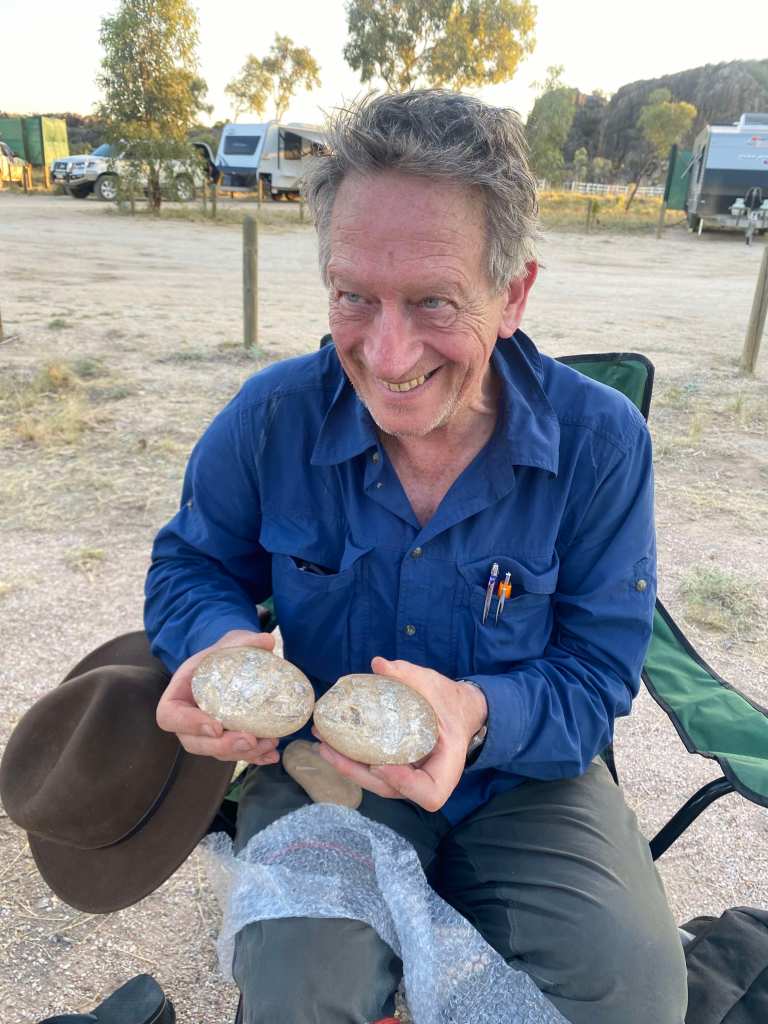
The whole project started back in 2008 when the late Dave Pickering from Melbourne Museum discovered the first specimen during a Gogo field trip led by Prof John Long. Immediately we knew we had something special, but exactly what it told us about evolution of this lineage took longer to tease out.

Dave Pickering (Museum Victoria) shortly after discovering the first coelacanth specimen known from the Gogo fossil sites. Image: Alice Clement.

We first acid-prepared and then CT-scanned the specimen to reveal a beautifully near-complete and semi-articulated fish. Rare details of the braincase, visceral arches and more were revealed. Next we compiled and ran an extensive and comprehensive phylogenetic analysis, to determine where in the evolutionary family tree our fish belonged, but also how rates of evolution may have changed over the entire coelacanth lineage. We found some interesting differences depending on the type of characters we were analysing (discrete vs meristic vs continuous) using tip-dated, relaxed-clock methods, showing that living coelacanths are still evolving and may not deserve the title “living fossil” after all.

Figure from the publication showing the evolutionary family tree of all coelacanths.

We also looked at disparity (shape change) of coelacanths through time, showing that some aspects remain conservative (body shape, lower jaw) while others vary more (e.g. cheek bones). Importantly, overall we see a considerable shift between Devonian vs all post-Devonian forms. And lastly, we analysed which putative external environmental factors (such as sea temperature, CO2 and O2 levels, % flooded area etc), finding that subduction flux had the greatest influence. Tectonic plate activity drives fish evolution!

Figure showing the influence of subduction flux (a proxy of tectonic activity) on rates of coelacanth evolution.

If you would still like to read or learn more about our research, please read our article published in The Conversation “Exceptional new fish fossil sparks rethink of how Earth’s geology drives evolution” (and keep an eye out for a french language version coming soon).

Gogo (back) to Gogo

It was 2008. It is northern Australia in the winter time. It was hot, the scenery is spectacular and the wildlife a little more exotic than at home. I had recently completed my Honours research project describing a new lungfish fossil species from a site known as “Gogo” and I hoped to continue to do a PhD. I was part of a team of scientists who visited those same fossil localities producing some of the most spectacular extinct fish you’ve ever seen… this formative experience cemented my desire to learn everything I could about Devonian fishes.

Imagine then, the excitement for me to return to this magical place some 16 years later. That is exactly what happened earlier this month on the recent Flinders University-led field-trip up to the ancient Devonian reef in the Mueller Ranges in the Kimberley region of northern Western Australia. This is the land of the Gooniyandi people and it is spectacular.

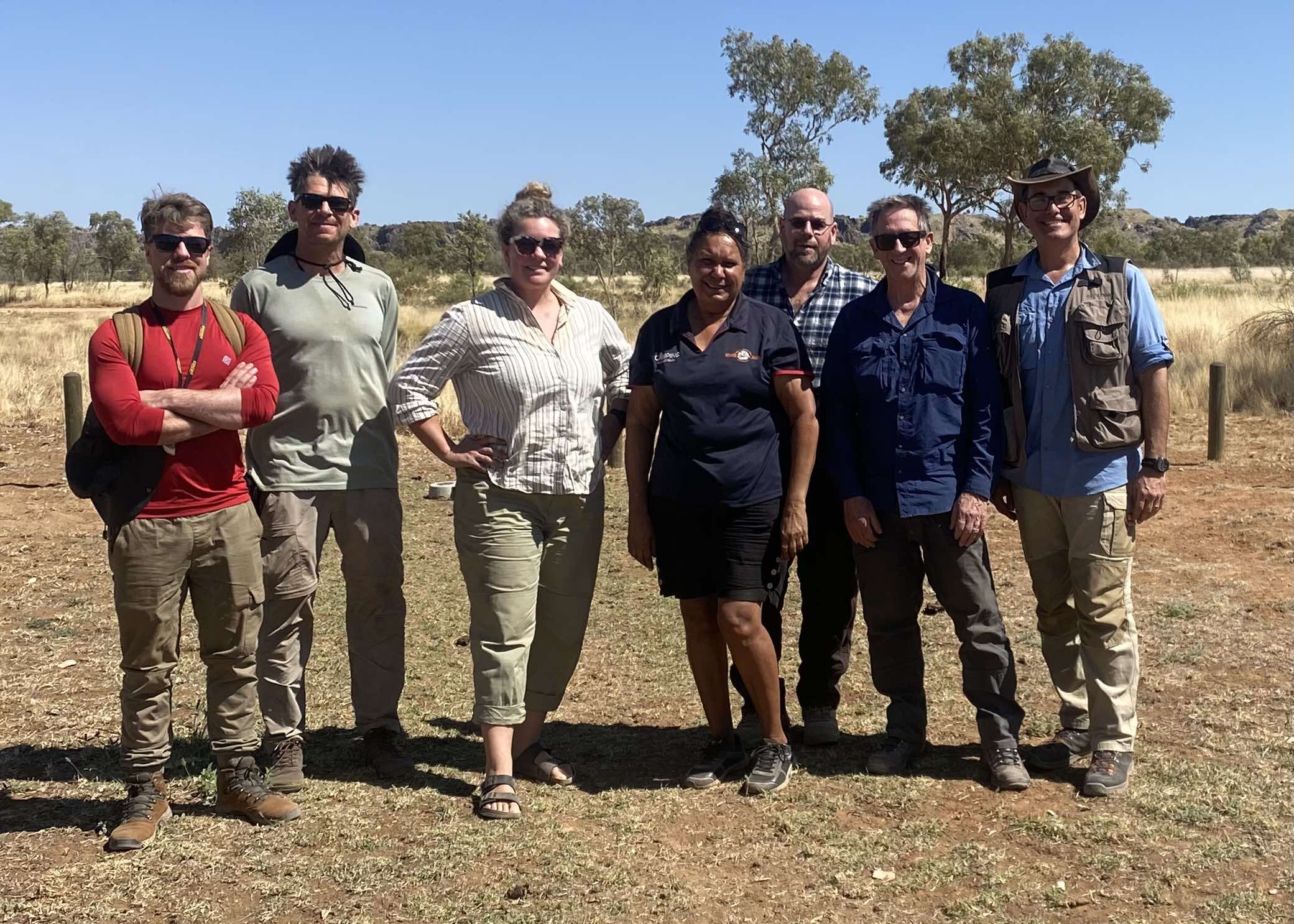
As part of a current ARC-funded grant, six researchers made their way to the fossil sites bearing the now world-famous “Gogo fishes”, or more accurately the budgerdee ngamugawi (Gooniyandi for “ancient fishes of Paddy’s Valley”). Our leader, John Long, has worked in the region for more than 35 years and published a huge volume of research on the fossil fish.

Along for the adventure we also had some invertebrate experts, Diego Garcia-Bellido (from the South Australian Museum) and Christian Klug (Palaeontology Museum and University of Zurich), to take a closer look at the creatures living on and around the fossil reef. Other valuable team members were Corey Bradshaw (global ecologist) and M. Ramon Fritzen (current PhD candidate), both also from Flinders University.

The “Gogo 6” of 2024: Diego Garcia-Bellido, M. Ramon Fritzen, Corey Bradshaw, John Long, Alice Clement & Christian Klug.

First task was to explore and examine the magnificent ancient reef structures in this area. Most people know about Australia’s Great Barrier reef stretching over 2000 km off the coast of Queensland (north eastern Australia), but did you know it wasn’t Australia’s first great barrier reef? During the Devonian Period, a huge reef built by organisms called stromatoporoids (not corals) grew in what is now present-day Western Australia.

If you visit Bandilngan (Windjana Gorge) on Bunuba country you will find the Lennard River (complete with abundant freshwater crocodiles) cutting through a section of the Napier Range for 4 km or so, exposing the ancient Frasnian and Famennian reefs. By walking the gorge trail you are literally walking back in time. (For the more adventurous among you, you can swim through a dark cave that traverses those same reef structures at Dimalurru (Tunnel Creek)).

Ramon, John and Alice at Bandilngan (Windjana Gorge).

Next we set up camp at the very comfortable Mimbi Caves campground about 100 km south east of Fitzroy Crossing. From here we could readily access the fantastic Mimbi Cave tour (I highly recommend it!), and the reef structures and fossils that we needed to study for our palaeoecological research.

This ancient reef teemed with life some 380 million years ago. Today, scientists have named and described more than 50 different species of fish from this site. The vast majority of these were now extinct fish known as placoderms. Of particular interest for me however, is that this site is the most diverse assemblage of lungfishes from anywhere or anytime in the entire world with 11 described species thus far. Not only are the fossils diverse, but often exceptionally preserved as well to reveal whole articulated animals, fish preserved in 3D and in some cases, even soft tissue preservation!

But the best part of the field-trip was the opportunity to sit down with some of the local elders who so graciously welcome us to their country and generously shared their stories with us. A special thanks go to Rosemary and Ronny, here’s hoping for a long, respectful, mutually beneficial and enjoyable relationship for years to come.

Traipsing the Tournaisian, meandering the Mississippian, perusing the Pennsylvanian… (ISELV fieldtrip)*

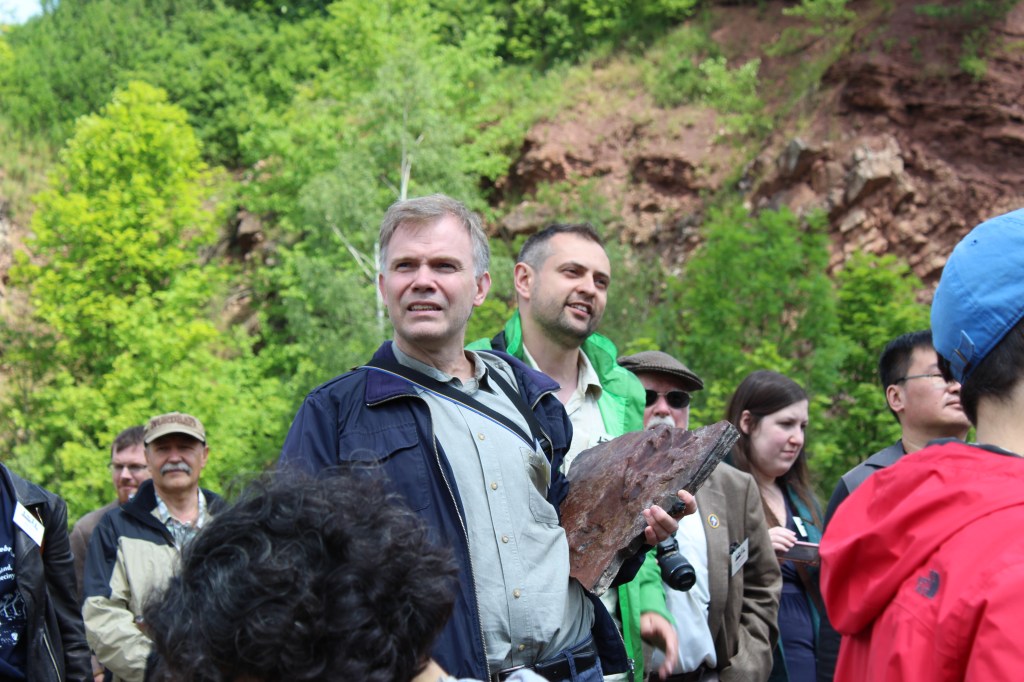
Following on from the fabulous meeting that was the 17th ISELV in Rimouski and Miguasha, Quebec, I was also fortunate to attend the post-conference fieldtrip. Led by Dr Tetsuto Miyashita (from the Canadian Museum of Nature), 30+ participants were led through various Carboniferous age sites (299-359 million years ago) in eastern Canada.

The “cool” car: Amin El Fassi, Merle Greif, Alice Clement, Jorge Mondéjar Fernández, Tatsuya Hirasawa, Sophie Sanchez & Sifra Bijl.

First, in New Brunswick we visited the Stonehammer UNESCO Global Geopark, located across the unceded territory of the Wolastoqiyik, Peskotomuhkatik and Mi’kmaq peoples. It encompasses ~2,500 km in Southern New Brunswick with a 1 billion year geologic history.

Matt Stimson (New Brunswick Museum) and team guided us across some Devonian-Carboniferous transition sections, many of which we accessed on the side of a highway! Some nice tetrapod footprints, and various other fishy bits were discovered.

On Day 2 we visited the Albert Mine, a Mississippian Lagerstätte (this is a German term used to describe a fossil site with exceptional preservation, either in quantity or quality). Pleased to say I found a pretty nice little actinopterygian (ray-finned fish) at this site! We also visited the dramatic Cape Enrage, (named so for the rough seas and turbulent waters) near the entrance to the Bay of Fundy National Park. Here we were deafened by the sound of the sea, but treated to impressive fossil log jams in the exposed cliff faces.

On Day 3, we left New Brunswick for Nova Scotia, braved an onslaught of rain and visited the UNESCO World Heritage site of Joggins Fossil Cliffs. This site is famous for the preservation of a small tetrapod called Dendrerpeton, (a type of temnospondyl amphibian) which was found fossilised within the stumps of lycopsid trunks. We could easily find plentiful fossils from many types of ancient plants from this now extinct Carboniferous forest scattered across the beach and in the cliffs.

Day 4 saw us continue across Nova Scotia to visit the beautiful sites of Cape Breton. We were graced with some blazing sunshine (yippee), stunning scenery, and the very friendly, knowledgeable and helpful Dr Jason Loxton. He welcomed us at the charming Cape Breton Fossil Centre, before guiding us to the Pennsylvanian tree stump localities in Point Aconi. Again there were textbook examples of stratigraphy, abundant fossils, and lovely scenery (some seals were curiously watching us from just off shore).

On our final day, we finished on a high with a visit to the Blue Beach Fossil Museum and were free to explore the beach in search of our own fossil finds. Blue Beach is also well known for its diverse fossil fauna, including both Late Devonian and Carboniferous faunas, as well as a rich tetrapod trackway (footprint) record.

We finished our fieldtrip with a lively group dinner in the charming city of Halifax, before saying our goodbyes and travelling on our separate ways. It was a wonderful week visiting these world famous sites and finding many fossils, and having a lot of fun with colleagues along the way. I’m looking forward to ISELV no. 18 in Morocco 2026 already!

*NOTE: if you are curious about my title for this blog entry, then let me explain. The various time divisions within the Carboniferous Period have their own names, some of which include the Tournasian, Mississippian, Pennsylvanian and so on…