Well, what a week it was! During the last week of November (yes, sorry this post is so late!), we hosted some 200 palaeontologists on Kaurna Yarta / Adelaide for the 19th Conference of Australasian Vertebrate Evolution, Palaeontology and Systematics (CAVEPS) 2025.
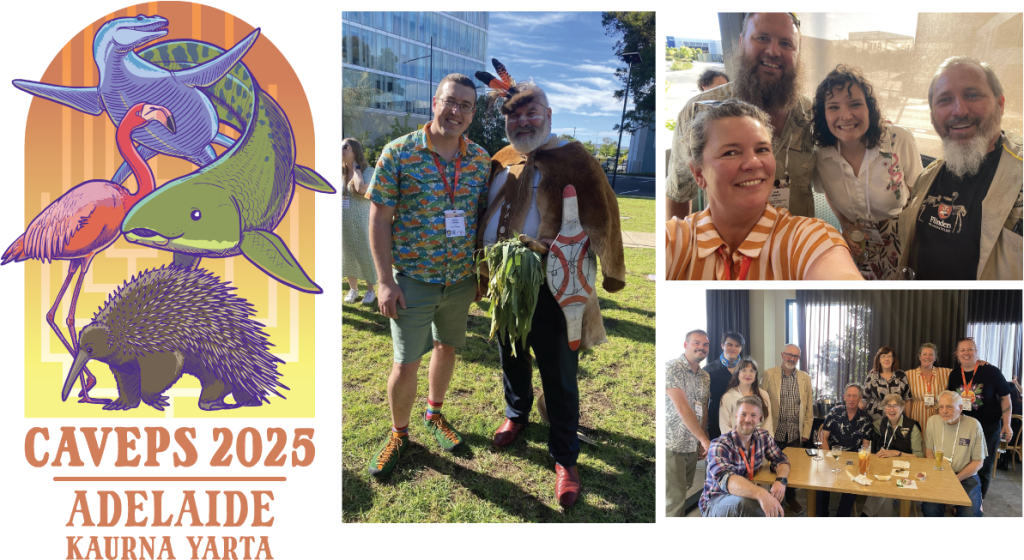
CAVEPS is a multidisciplinary forum for vertebrate palaeontologists, earth scientists, evolutionary biologists, and fossil enthusiasts from Australasia and beyond. The conference features the latest research in vertebrate palaeontology, including morphology, phylogeny, systematics, evolution, taphonomy, development, zooarchaeology and palaeoecology. The event is generally held every two years or so, and hosted by different institutions around Australia and New Zealand.
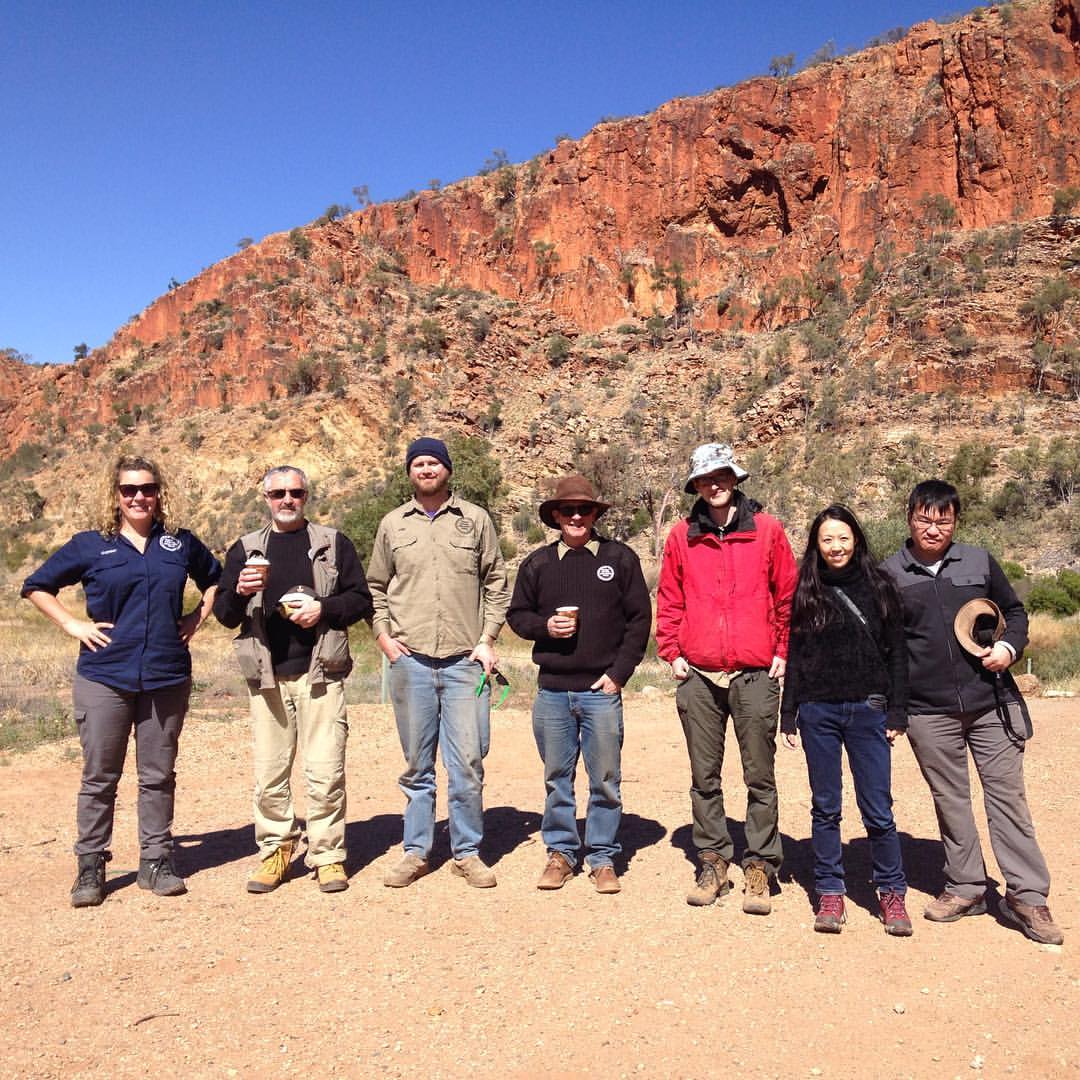
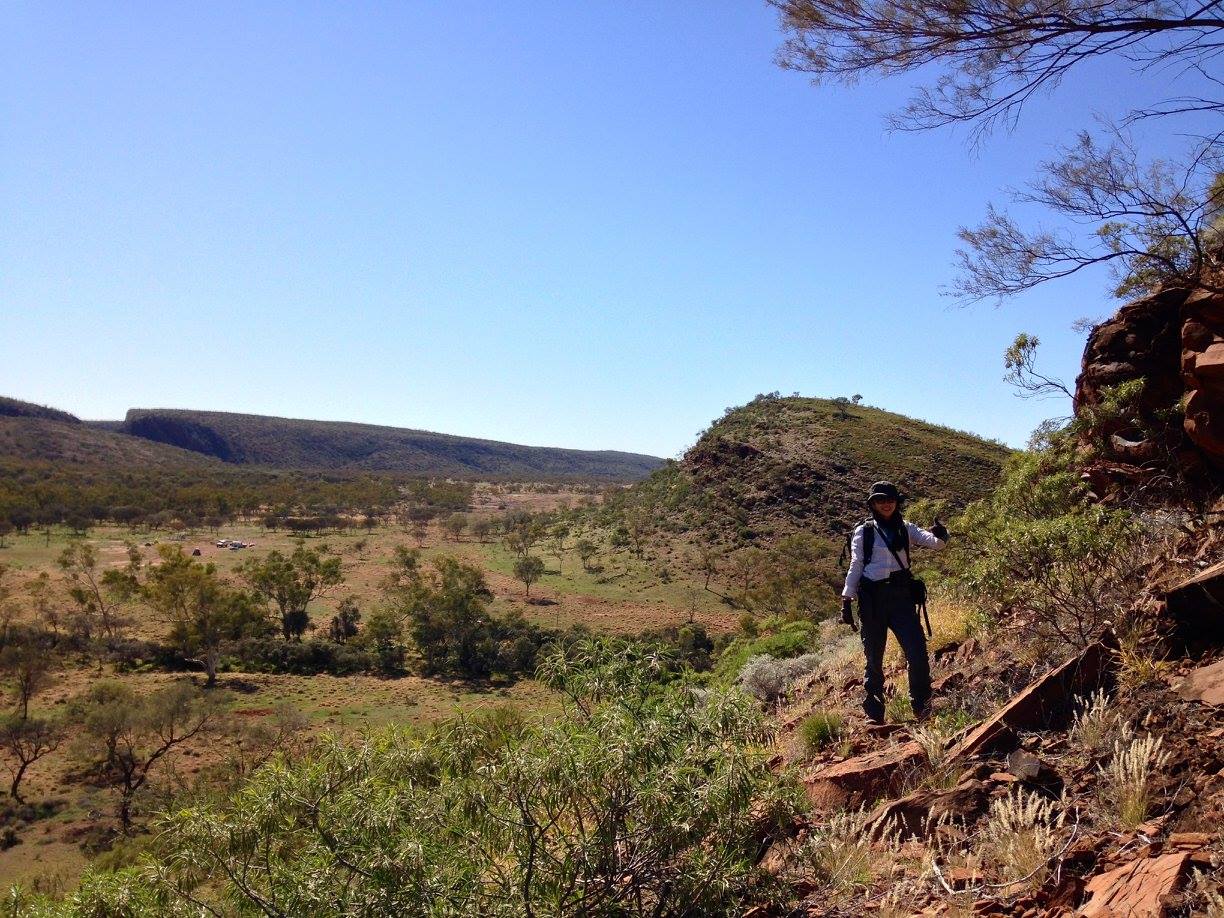
We provided pre- and post- conference field trips, where participants unearthed some important fossil finds ! By holding this conference here in South Australia, and holding field trips at the Naracoorte Caves and Ikara‑Flinders Ranges, we hoped to highlight the unique geological and fossil-heritage of this particular and spectacular part of Australia.
Before the main conference program, we had “Workshop Monday”, where attendees could participate in a range of workshops covering everything from submitting to high profile journals, bench-marking and bibliometrics, media training, musculoskeletal modelling, 3D digital reconstruction and animation, moulding and casting, and aworkshop covering best practises for collaborating with indigenous peoples.
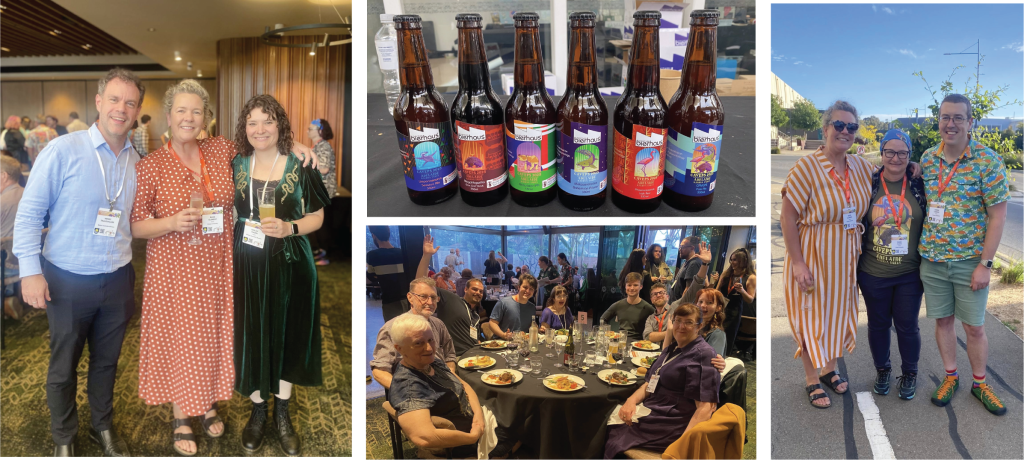
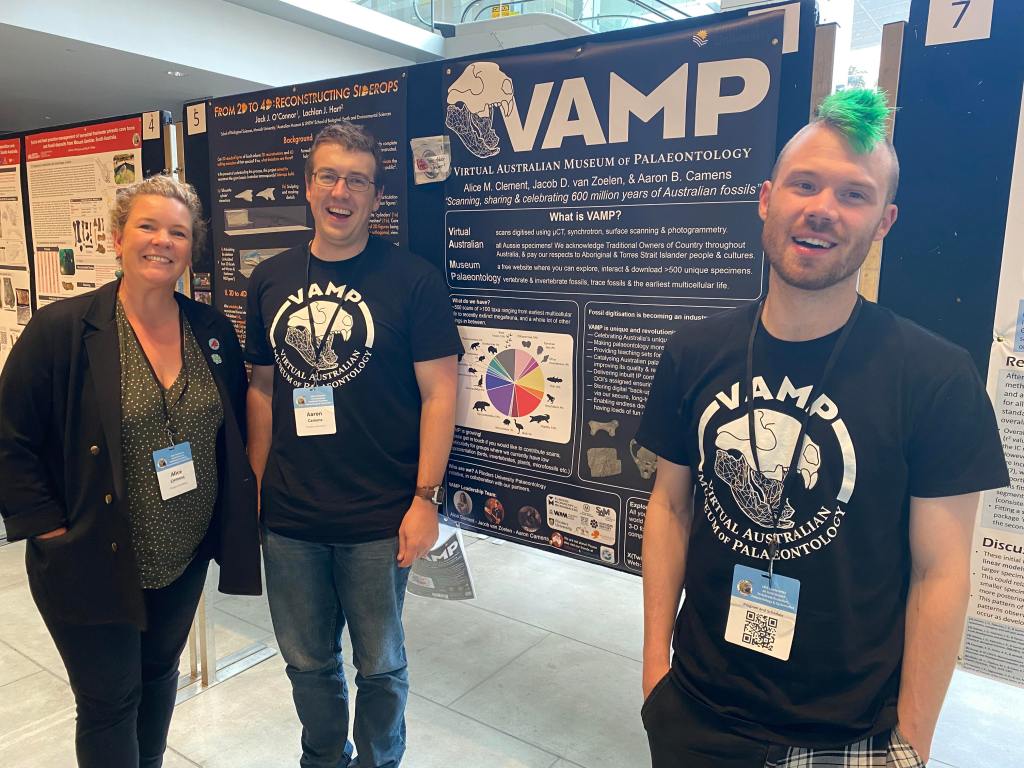
Over the subsequent 4 days, the CAVEPS scientific program featured 78 scientific presentations and 35 posters covering all the facets of vertebrate palaeontology and evolution. We were also very privileged to have four fantastic invited plenary speakers:
o Prof. Robin Beck (University of Salford) on metatherian systematics;
o Dr. Jacqueline Nguyen (Australian Museum / Flinders University) on songbird evolution;
o Dr. Peter Bishop (Harvard University) on synapsid locomotor evolution;
o Mr. David Elliot OAM (Australian Age of Dinosaurs) telling us all about AUSTRALIA’S GREATEST UNTOLD STORY.

I’m extremely proud to have been a part of THE BIGGEST CAVEPS ever, and it is great to see so many students, making up >55% of all attendees. The future seems to be in good hands. It was a mammoth (Diprotodontian?) effort to bring this event together, and I certainly couldn’t have done it without the support and enthusiasm of my co-organisers, Dr Diana Fusco and Dr Aaron Camens, the generous support from our sponsors and Flinders University, along with a veritable assemblage of amazing volunteers! I am very much looking forward to attending (and not organising) the next one over in Otago, New Zealand in 2027!





 Dr Alice Clement