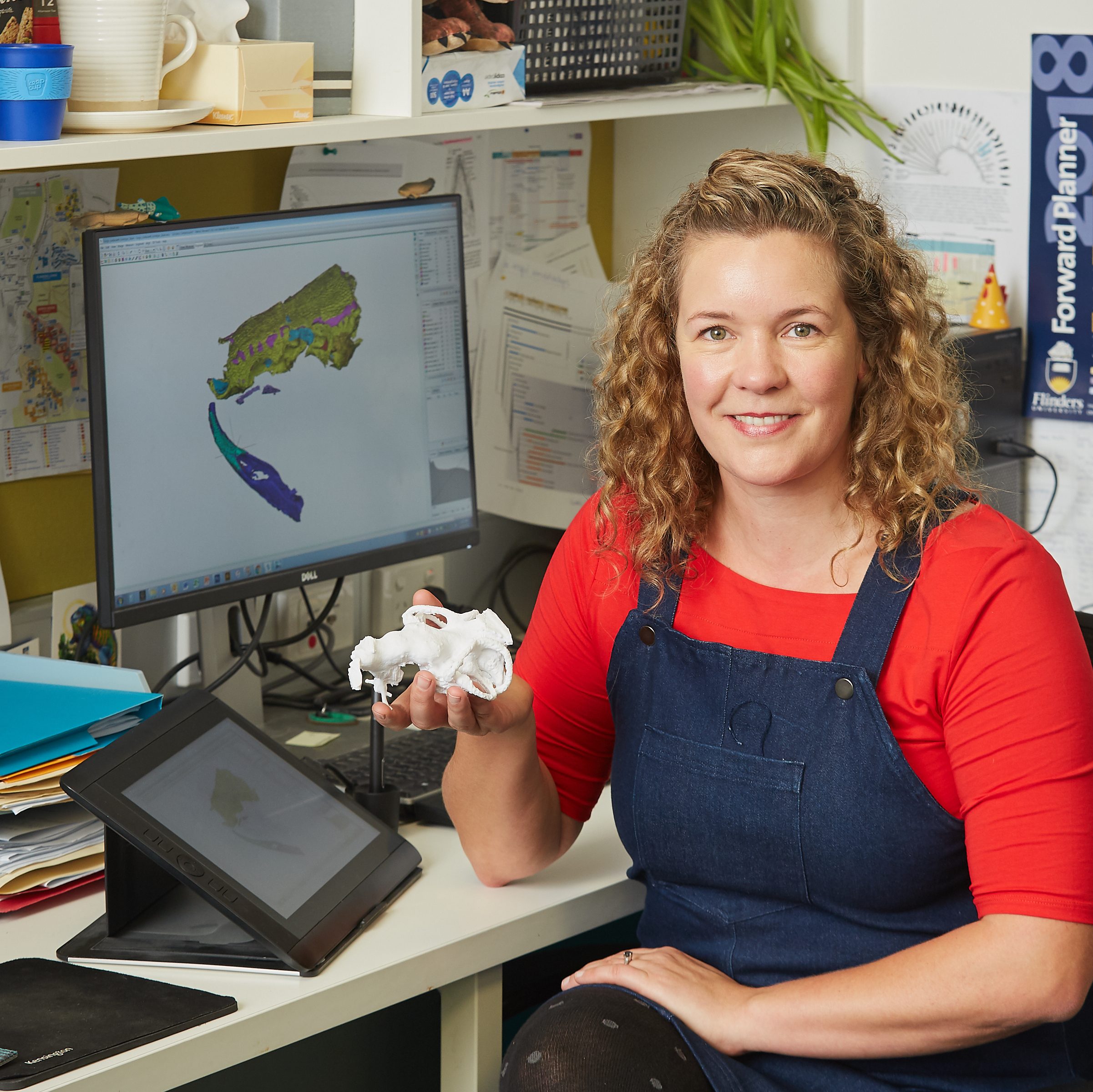
I was lucky enough to have a relatively last minute trip to visit ESRF in Grenoble, France, this August. I had last visited ESRF, the European Synchrotron Radiation Facility in 2018 (you can read about that here), and both times I was there at the invitation of my fantastic collborator and friend, Dr Sophie Sanchez, a leading researcher in virtual palaeohistology. What is that, you may ask? That is the study of the microscopic structure of biological materials, in her case the palaeontological (fossil) kind, and using synchrotron light to image it virtually and in 3D, rather than cutting physical 2D cross sections.
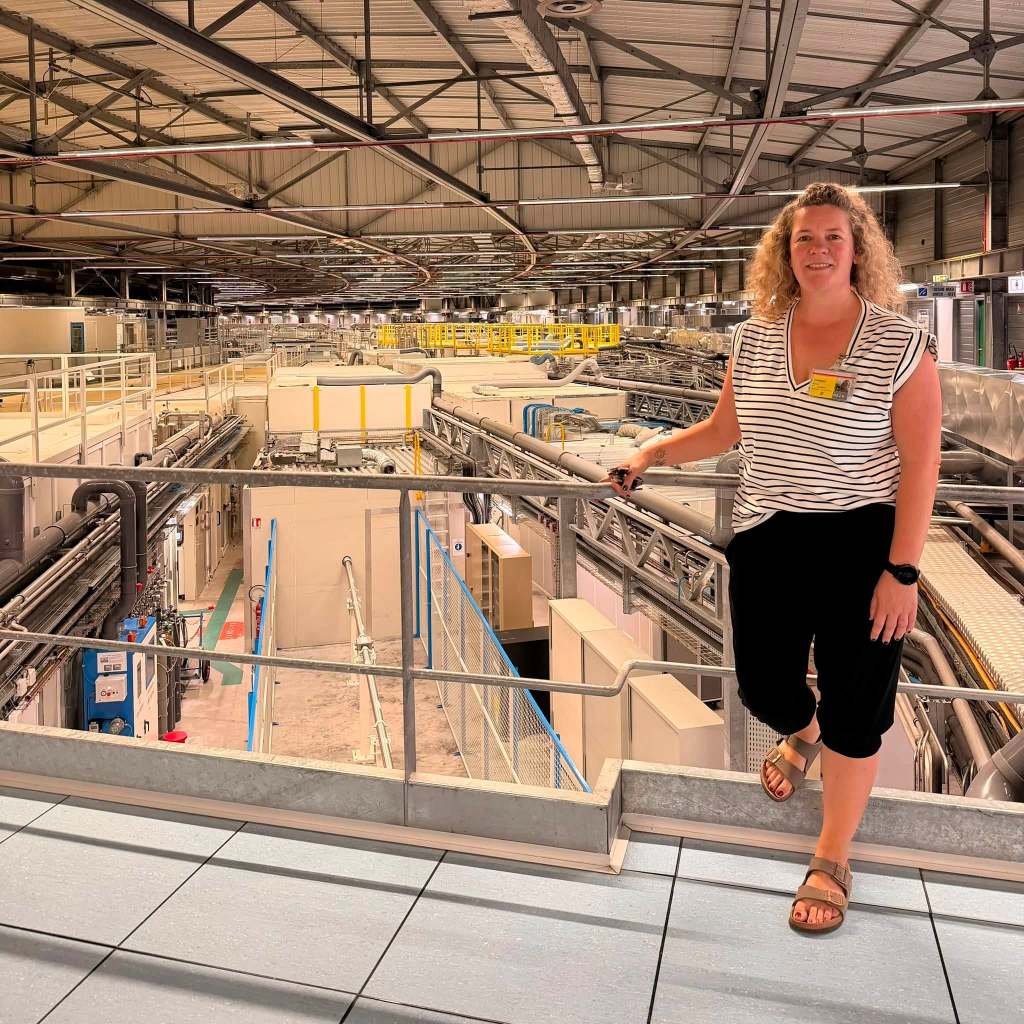
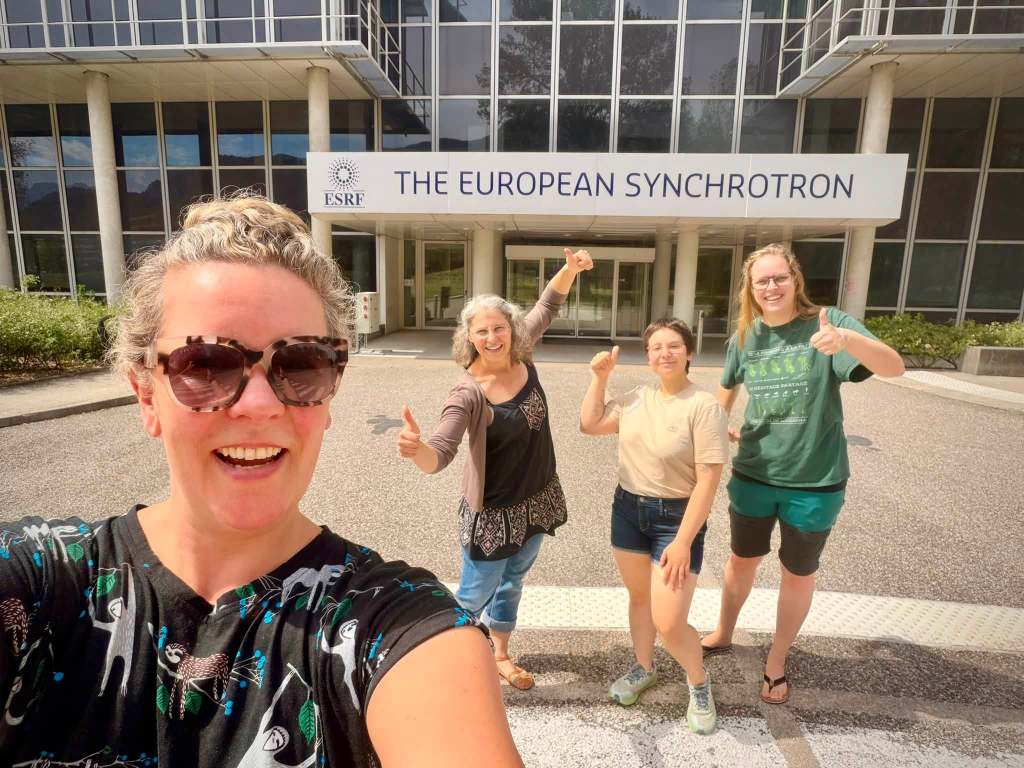
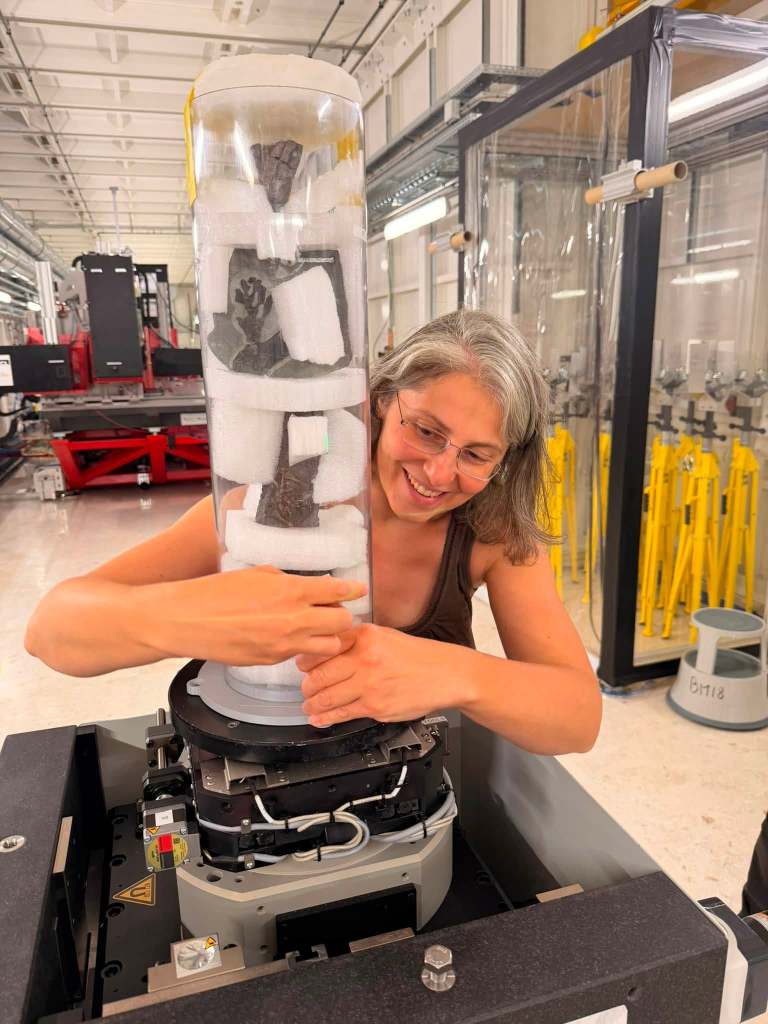
Together with Sophie, we worked with ESRF beamline scientists Paul Tafforeau and Sifra Bijl, and Uppsala University PhD candidate, Bobbi Vakruchev, on imaging a series of tetrapod-like fish (and some fish-like tetrapods!). It is always such a buzz to get to see famous animals in the flesh (in the bone?) that you have only read about in the literature until then.
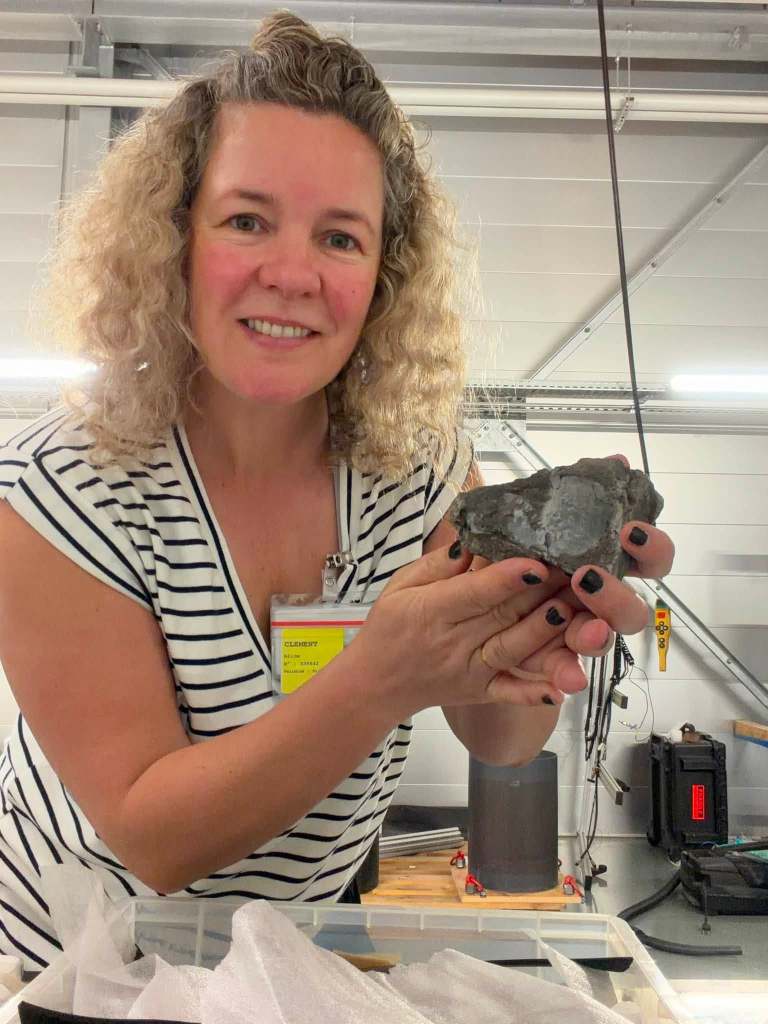
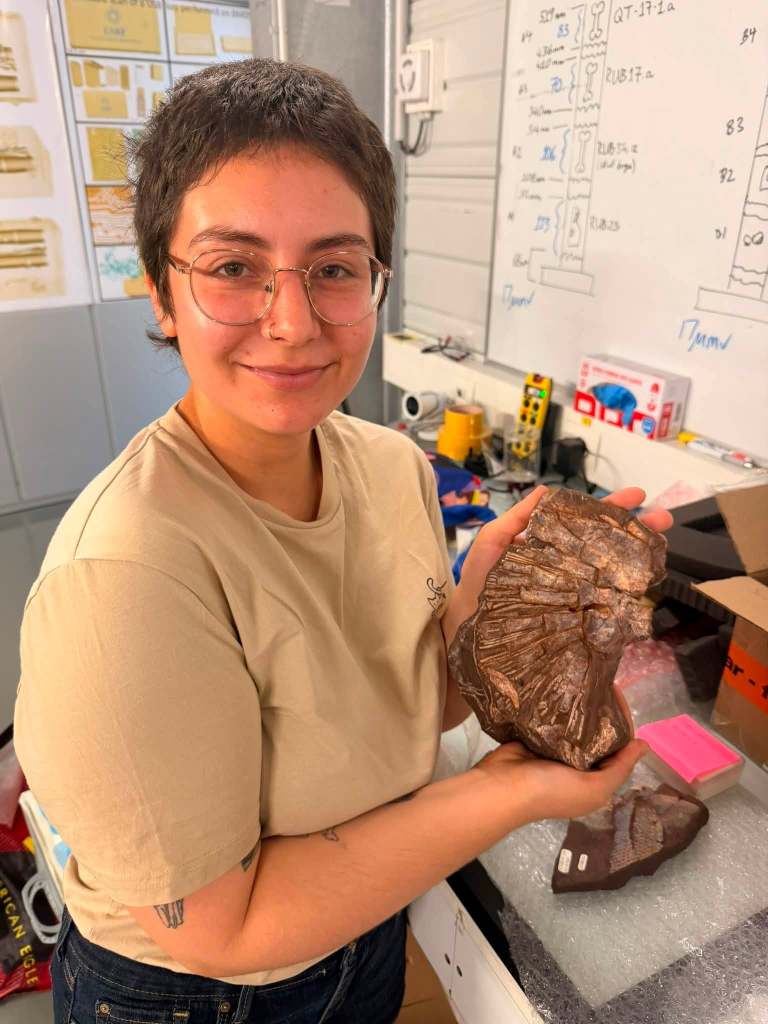
There was the beautiful chocolate-brown Acanthostega, the first described Devonian tetrapod, and still one of the best known, as well as the immense and robust fin of Sauripterus (meaning “lizard wing”) from a large rhizodont fish. And while I hand carried a large nodule with an iconic Gogo fish all the way from Australia, the beasite I was most excited to see and to hold was Pederpes. This animal is considered the oldest truly terrestrial tetrapod, and comes from the Carboniferous of Scotland. While Sophie and her team are imaging its limbs, I am much more interested in the head end (more to come on that later….)
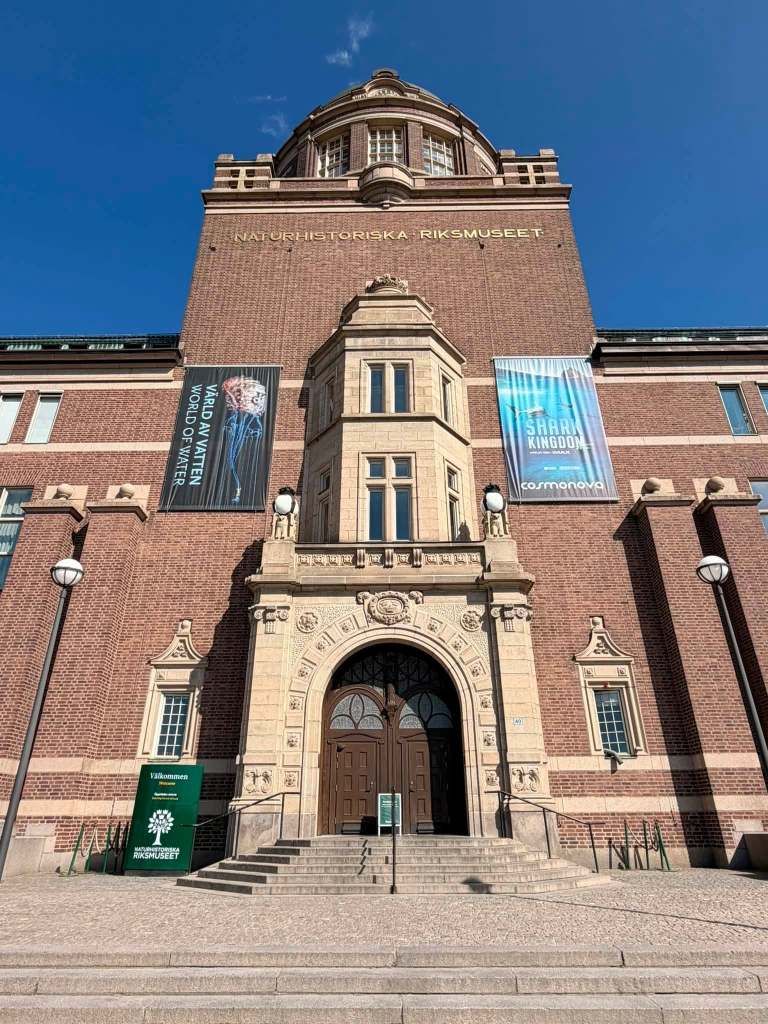
And so naturally, while I was ‘in the neighbourhood’ (others from Australia and New Zealand will understand this), I took the opportunity to visit Naturhistoriska riksmuseet, the Stockholm Natural History Museum while I was already in Europe. This is a fantastic museum with some absolutely world-class diorama museum displays containing dynamic and life-like taxidermied specimens, but I was really there for the fossil fish collections. Of the various specimens housed in the collection at the Stockholm Museum, there is an abundance of fish from a German site near Bergisch Gladbach.
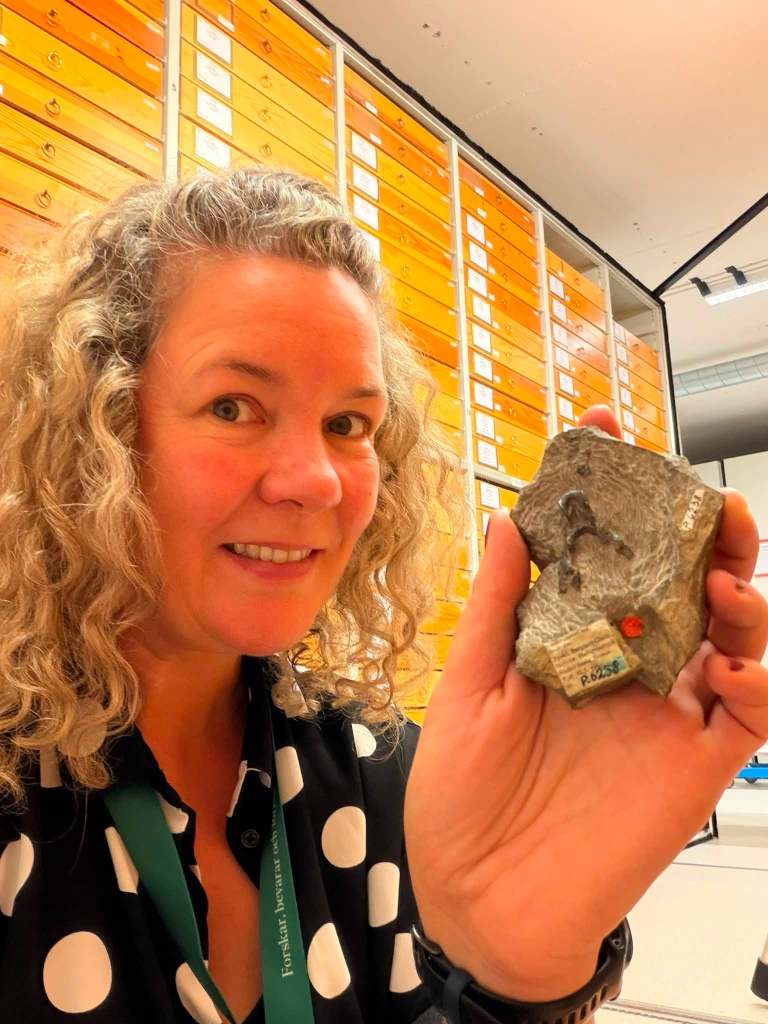
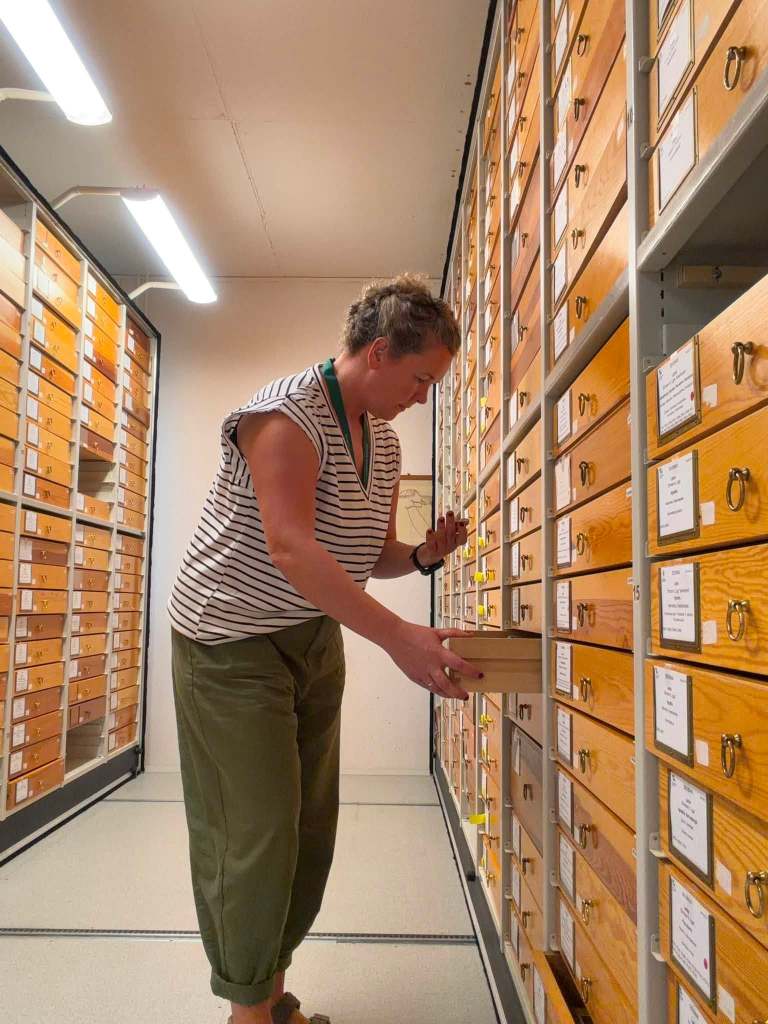
Although seperated by long distances geographically, there are some surprising similarities between the fish found in Bergisch Gladbach, Germany, and those from the Gogo Formation on Gooniyandi Country here in Australia. This association has been noted previously by myself and other authors, but there remains a lot more to investigate. Some of this work is currently being led by two of my PhD students who are working on Gogo lungfishes, but I won’t scoop their exciting work just yet! You’ll just have to stay tuned to learn more….

