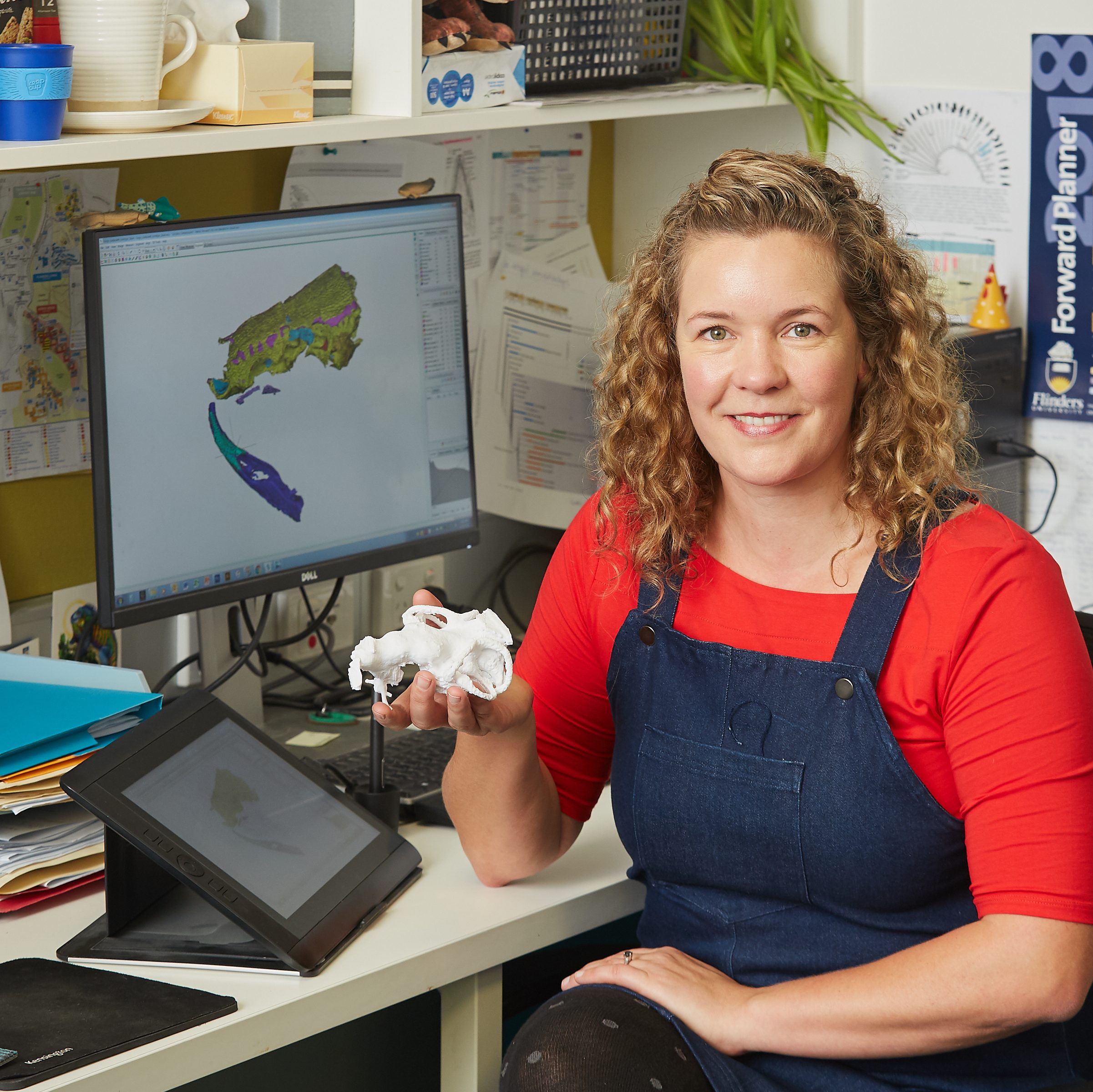
I seem to have digital palaeontology on the mind lately…. I’m not talking about digits (fingers and toes), although sometimes that is exactly what I mean. I’m talking about the digitalisation of fossils into virtual computer models.
Modern scanning methods are revolutionising the way we do palaeontology these days, with increasing access to various methods such as diceCT, synchrotron, neutron or surface scanning. This enables the analyses we do and the questions we can ask are expanding beyond anything that has been possible before.
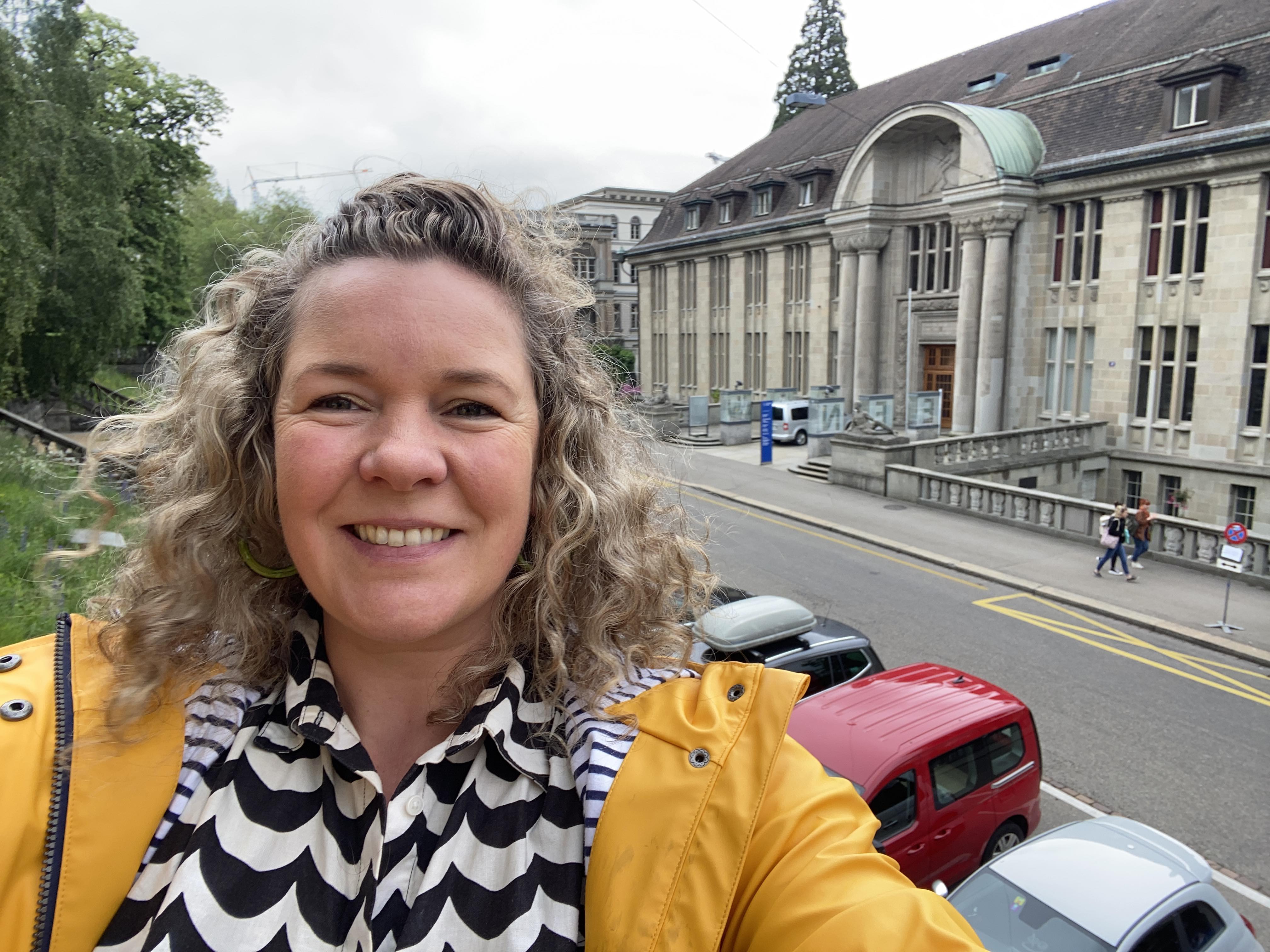


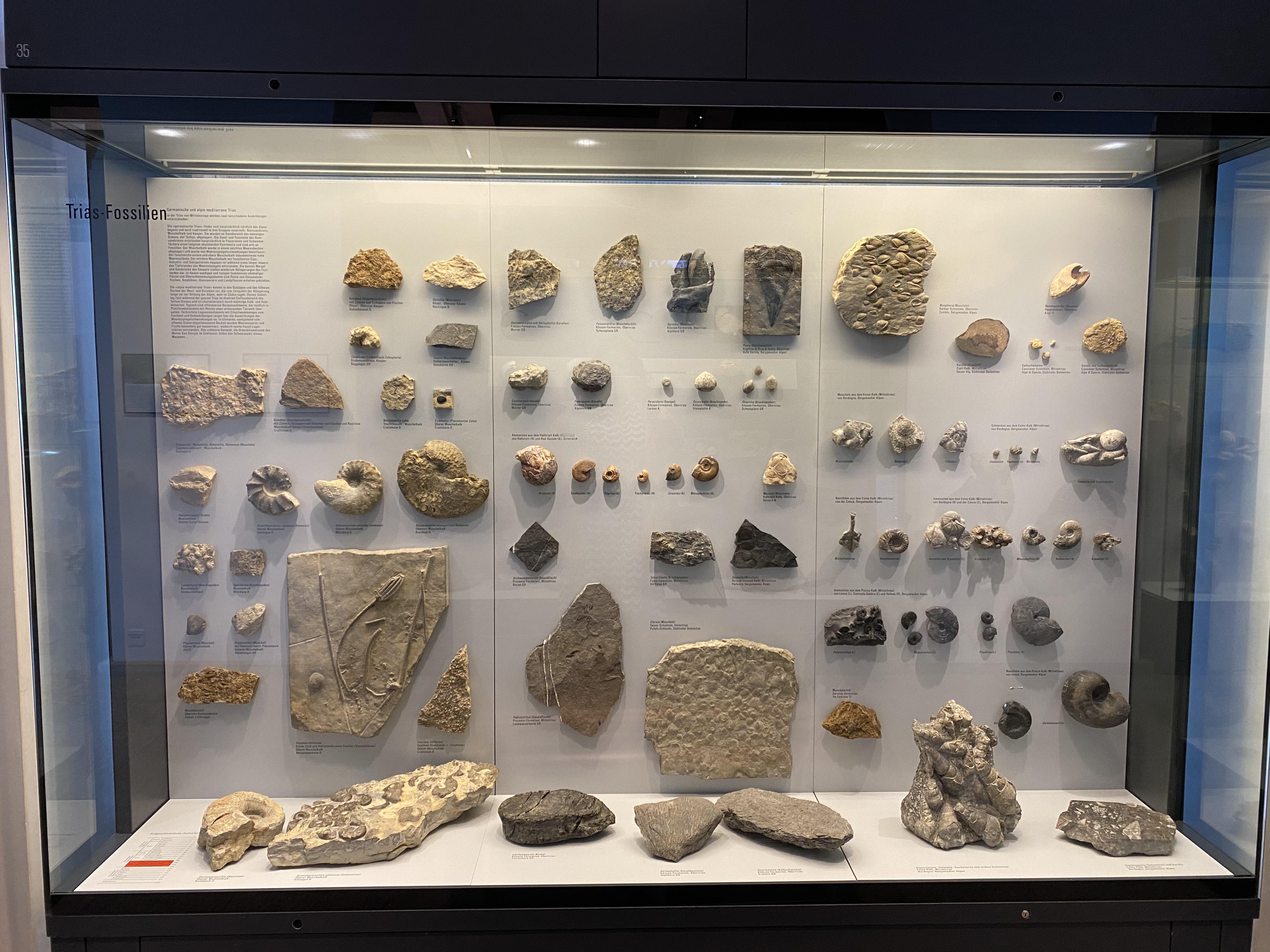
Thanks to the type of research that I do, I was lucky enough to be invited to present at a “Digital Palaeobiology” symposium held at the Department of Paleontology at the University of Zurich, Switzerland, last week.
My talk, Once we were fish: uncovering our distant piscine origins, explored the anatomical journey from placoderms to tetrapods as elucidated from modern scanning methods.

Other speakers discussed amazing methods used on digital palaeontological specimens including 3D geometric morphometrics, the use of AI in analysis, Computational Fluid Dynamics and Finite Element biomechanical analysis. It’s amazing what can be done with our virtual computer models!
I’m very grateful to the organisers, and had a fabulous time meeting the UZH students, staff, and my other “digital palaeo” colleagues. I loved visiting the beautiful city of Zurich and hope to get back there one day.
 Dr Alice Clement